
Summary
✓Reviewed by Laura Bennett A weeklong consumer boycott of Sony's PlayStation platforms launched on August 23, 2026, as thousands of gamers responded to the company's July 2026 confirmation that it will halt physical disc production for all new PlayStation games...
Table of contents
A weeklong consumer boycott of Sony’s PlayStation platforms launched on August 23, 2026, as thousands of gamers responded to the company’s July 2026 confirmation that it will halt physical disc production for all new PlayStation games starting in January 2028. Organized by the game-preservation group Does It Play, the campaign — dubbed #PSBlackout — calls on participants to stop logging in, playing, and purchasing anything on Sony’s platforms through August 30, 2026.
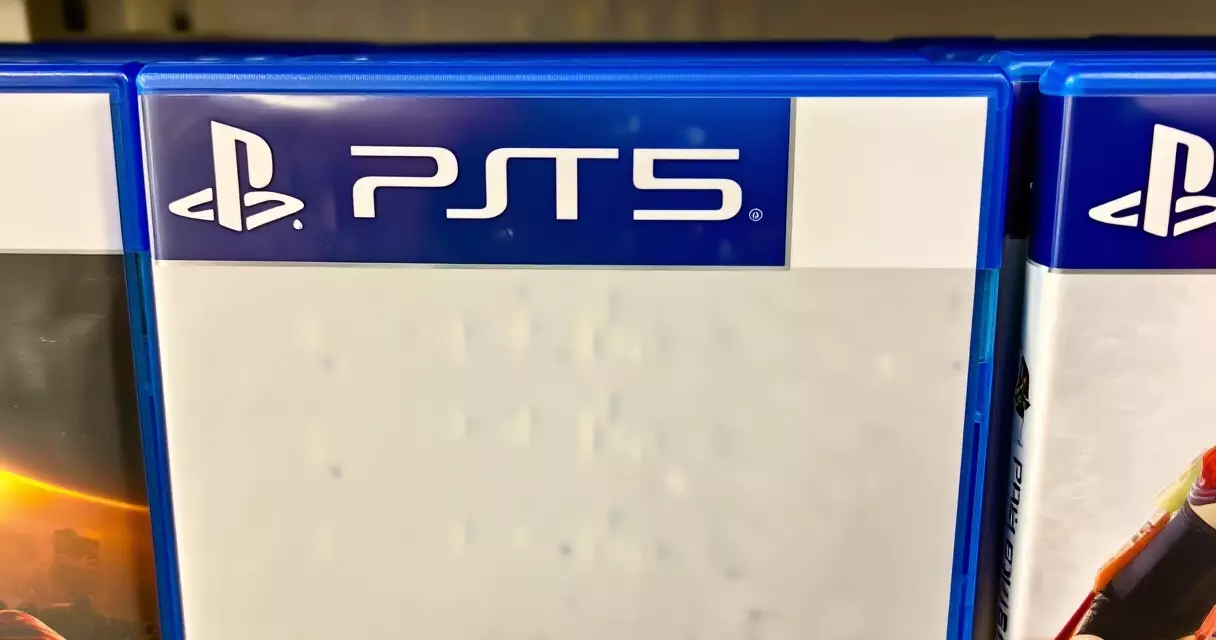
On July 1, 2026, Sony officially confirmed via the PlayStation Blog that disc manufacturing for new PlayStation titles would end in January 2028. After that date, new releases will be available exclusively through the PlayStation Store or at retail in digital-download code packaging. Games already released, or arriving before the January 2028 cutoff, are not affected by the transition, according to Sony’s official statement.
What #PSBlackout Is Demanding
The organizers behind Does It Play framed #PSBlackout as an “economic and gameplay blackout,” urging PlayStation owners to keep consoles powered off from 7 p.m. local time on August 23 through 7 p.m. local time on August 30. PCMag, which first reported on the boycott’s scale, quoted the campaign’s core demand verbatim: “No logins, no play sessions, no purchases on any of Sony’s platforms.”
As of August 24, the boycott’s indefinite extension has also been announced. According to reporting by ixbt.games, organizers have declared the protest will continue beyond the original week-long window until Sony “admits its mistake” — a significant escalation from the campaign’s initial framing as a time-limited action.
Rolling Out, which covered the campaign’s origins, described #PSBlackout as giving Sony “a small taste of their own medicine” — a reference to the consumer fear that an all-digital future strips players of the ability to resell, share, or permanently own games in a tangible format.
Sony’s Response: ‘No Impact on Our Business’
Sony has so far declined to reverse course. On the company’s FY26 Q1 earnings call on July 31, 2026, CFO Lin Tao confirmed that disc manufacturing would still end in January 2028, saying the company would “cautiously move this forward.” Forbes contributor Paul Tassi reported that Sony’s leadership added: “At this point in time, we are not seeing any impact on our business.”
On August 24 — the second day of the boycott — Metro reported that Sony appeared to directly troll participants by republishing messaging reminding PlayStation users that they do not technically “own” their digital games, referencing the platform’s existing digital license terms. The timing drew immediate backlash across social media.
Sony has also reiterated in prior communications that the transition “has no impact on games that already released, or will be releasing, prior to January 2028 in disc format,” and framed the shift as driven by consumer preference data showing a majority of PlayStation game sales are now digital, according to CNET’s coverage of the announcement.
The Scale of Opposition
The boycott arrived with pre-existing momentum. Times of India reported that an associated online petition had gathered more than 350,000 signatures before the blackout began on August 23. Despite this, Sony CFO Lin Tao stated on the July 31 earnings call that the company was not budging on its timeline.
Cybernews summarized the scope of the campaign: “Gaming console owners are encouraged to unplug their devices from 7 p.m. on August 23rd to 7 p.m. on August 30th, 2026.” Social media tracking under the #PSBlackout hashtag showed the campaign trending in multiple U.S. gaming communities on both August 23 and August 24.
Critics of the boycott strategy have also emerged from within the gaming community. Reporting from ixbt.games on August 23 noted that some observers argued the campaign was targeting the wrong lever — arguing that a login blackout would not materially affect Sony’s PlayStation Network revenue in a measurable way, and that the strategy needed to focus on sales figures and subscriber numbers to create real financial pressure.
What Is Sony Actually Ending — and What Remains
| Aspect | Sony’s Stated Position |
|---|---|
| Disc production end date | January 2028 (new titles only) |
| Existing disc releases | Unaffected — games releasing before Jan 2028 continue as planned |
| Retail presence after 2028 | Retailers will sell digital-download code packages |
| PlayStation Store | Continues as the primary distribution channel |
| Resale / second-hand games | Physical resale unaffected for existing disc library; new titles after cutoff will be digital-only licenses |
Game Preservation at the Center of the Debate
The #PSBlackout campaign has put the long-running game preservation debate front and center. Does It Play, the organizing group, has historically focused on documenting which games remain playable without online connectivity or active servers — a concern directly tied to digital-only distribution. When a game is sold as a digital license rather than a physical disc, the question of long-term access depends entirely on the platform holder’s continued operation of its store infrastructure.
This concern resonates beyond hardcore enthusiasts. Sony’s decision mirrors a broader industry shift: Microsoft has already moved its Xbox first-party games to a disc-optional model, and while Nintendo continues to ship physical carts for Switch 2, the industry trajectory is widely seen as trending all-digital. Readers interested in how this shift compares across hardware can find detailed context in our PlayStation 5 Pro 2026 Review, which addresses Sony’s hardware strategy in detail.
Metro’s August 24 report captured the broader tension: Sony’s reminder that digital games are licensed, not owned, “sparked anger” by arriving precisely as the boycott launched — widely interpreted as a provocative move, though Sony has not confirmed it was intentional.
What Happens Next
The #PSBlackout boycott runs — in its original form — through August 30, 2026. However, with organizers now declaring it indefinite, the campaign may extend beyond that date. Sony’s next major public milestone will be its FY26 Q2 earnings call, where analysts will look for any data reflecting impact on PlayStation Network subscriptions or digital game sales during the blackout week.
Several gaming advocacy organizations have expressed interest in monitoring the campaign’s effects on Sony’s platform metrics, though no third-party data has yet been published. The key indicator, analysts note, will not be login counts during a single boycott week, but whether sustained pressure influences Sony’s communication strategy or prompts any concession on legacy game access or disc availability timelines for independent publishers.
For gamers watching the hardware and platform side of this debate, the question of what Sony’s all-digital shift means for the competitive landscape — particularly in relation to handhelds and subscription-based gaming — remains actively developing. The debate also intersects with broader industry questions around Nintendo Switch 2’s physical-first approach, which stands in direct contrast to Sony’s announced direction.
Key Facts at a Glance
- Boycott name: #PSBlackout
- Organizer: Does It Play (game preservation advocacy account)
- Original dates: August 23–30, 2026 (now declared indefinite)
- Action called for: No logins, play sessions, or purchases on any Sony PlayStation platform
- Sony’s confirmed policy: Disc production for new PlayStation games ends January 2028
- Petition signatures (as of boycott launch): More than 350,000, per Times of India reporting
- Sony’s position: “No impact on business” — CFO Lin Tao, July 31, 2026 earnings call
Sources
- according to CNET’s coverage of the announcement — cnet.com
- Metro’s August 24 report — metro.co.uk
- Angry Critics of Sony Call on PlayStation Boycott Over … — ign.com
- Sony rejects PlayStation disc backlash, presses ahead with … — washingtontimes.com
- What is the #PSBlackout movement and why is it calling for a week-long console boycott? — tech.sportskeeda.com