Summary
✓Reviewed by Laura BennettMore than half of all Singaporeans now listen to or watch podcasts, according to YouGov's 2026 Singapore podcast advertising report. That 54% figure represents millions of potential listeners, and gaming remains one of the most passionate communities...
Table of contents
- 1 Why 2026 Is the Right Time to Start a Gaming Podcast
- 2 Choosing Your Gaming Podcast Niche
- 3 Essential Equipment for a Beginner Gaming Podcast
- 3.1 Audio-Only Starter Kit
- 3.2 Video Podcast Setup
- 4 Recording and Editing Software for Gaming Podcasts
- 5 Hosting Platforms and Distribution for Beginners
- 5.1 Where Singapore Listeners Discover Podcasts
- 6 Planning Your First Episodes
- 7 How to Start a Gaming Podcast for Beginners: Step-by-Step Launch
- 8 Monetization Options for a Gaming Podcast
- 9 Growing Your Audience in Singapore and Beyond
- 10 Common Mistakes to Avoid When Starting a Gaming Podcast
- 11 Frequently Asked Questions
- 11.1 How much does it cost to start a gaming podcast?
- 11.2 Should I start with audio-only or video?
- 11.3 How often should a gaming podcast publish new episodes?
- 11.4 What is the best hosting platform for beginners?
- 11.5 How do gaming podcasts make money?
- 11.6 Do I need guests for a gaming podcast?
- 12 Key Takeaways for Starting Your Gaming Podcast
- 13 Sources
More than half of all Singaporeans now listen to or watch podcasts, according to YouGov’s 2026 Singapore podcast advertising report. That 54% figure represents millions of potential listeners, and gaming remains one of the most passionate communities online. If you have been wondering how to start a gaming podcast for beginners, now is the time. The barrier to entry has never been lower, the audience has never been larger, and the tools available in 2026 make it possible to launch a polished show from a bedroom desk in a single weekend.
Why 2026 Is the Right Time to Start a Gaming Podcast
The podcast landscape in Singapore has shifted dramatically. A 2024 survey reported by Singapore Business Review found that 55% of Singaporeans listened to podcasts monthly, averaging 1.8 hours of listening per day. By 2026, YouGov’s data shows 54% of the population actively consumes podcasts, with 49% watching video podcasts specifically. Gaming, unlike the dominant news and lifestyle categories, is still comparatively underserved in Singapore’s podcast directory, which creates a genuine opportunity for new creators.
The Reuters Institute’s 2026 report on the changing economics of podcasting describes a broader industry shift from pure audio toward watchable, clip-friendly shows. For gaming, this plays to the format’s strengths. Gameplay footage, reaction shots, and screen-share segments all translate naturally to video podcasting.
Choosing Your Gaming Podcast Niche
Gaming is enormous, and a podcast that tries to cover everything will struggle to build a loyal audience. The most successful beginner gaming podcasts in 2026 focus on a specific slice: a single platform, a genre, a regional scene, or a recurring format. Some ideas that work well in the Singapore context include a weekly roundup of console and PC releases relevant to the local market, a deep-dive show on a single franchise, or a review and discussion format that pairs gameplay impressions with industry news.
According to the 2024 Singapore podcast survey reported by Singapore Business Review, humour and comedy (37%) and conversational chat formats (26%) were among the most popular categories. A gaming podcast that blends informed commentary with genuine personality and humour fits squarely into what local listeners already enjoy.
Essential Equipment for a Beginner Gaming Podcast
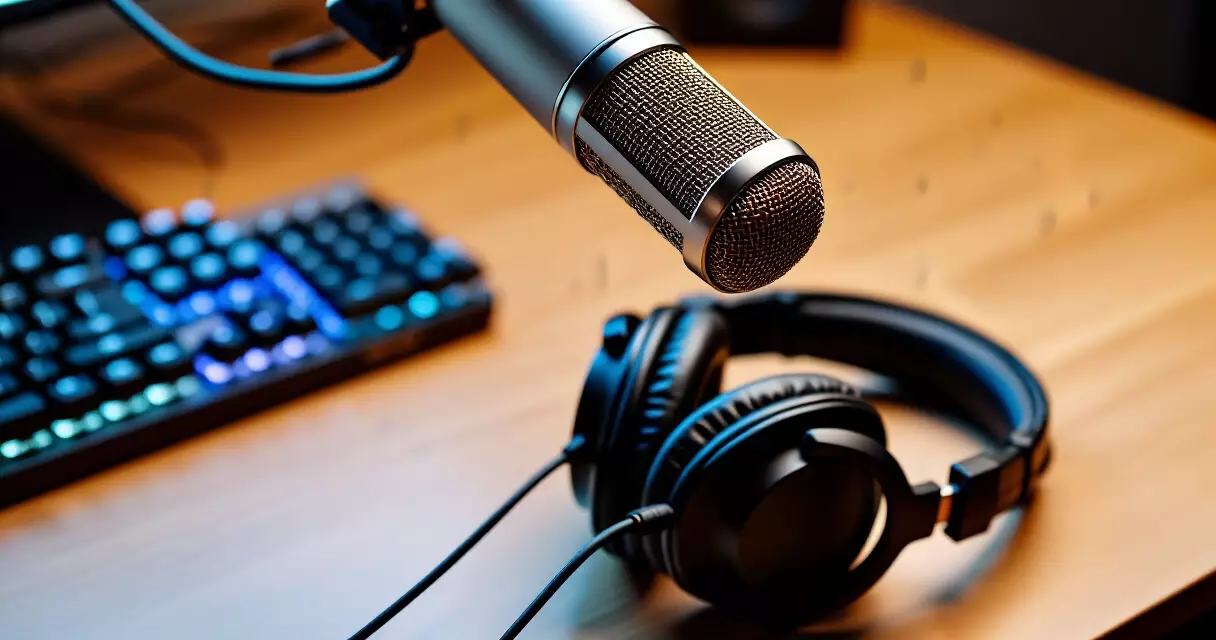
You do not need a professional studio to start. A USB microphone, a pair of closed-back headphones, and a quiet room are enough to produce audio that sounds clean and listenable. If you plan to record video from day one, as the trend data strongly suggests you should, you also need a webcam or camera and basic lighting.
Audio-Only Starter Kit
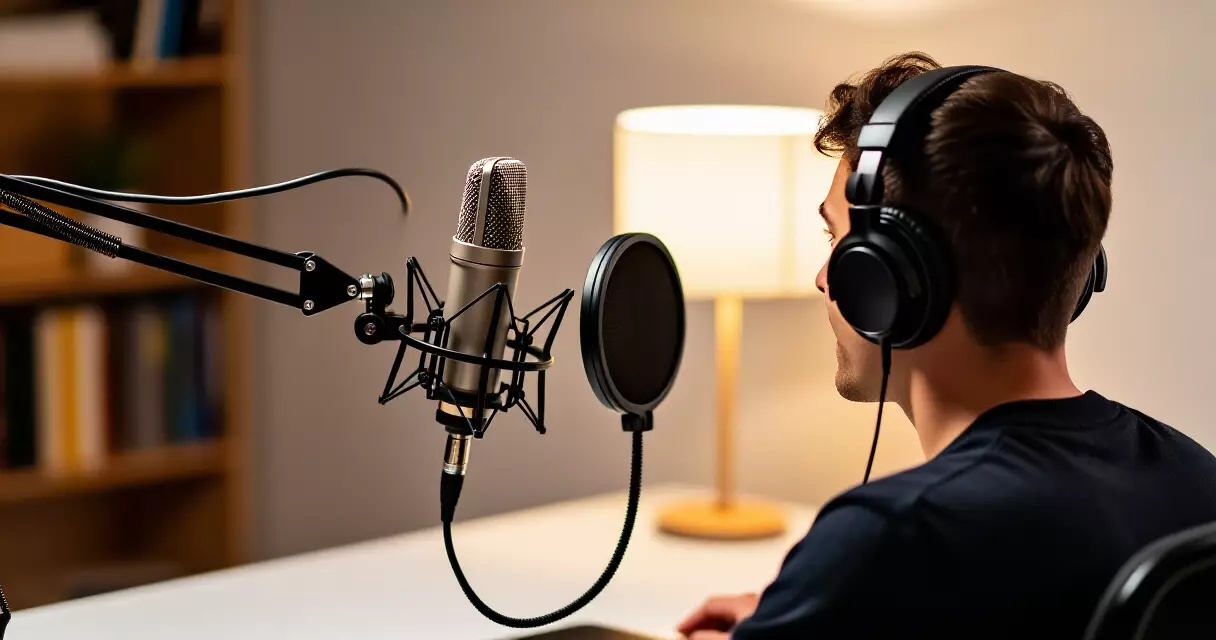
A quality USB condenser or dynamic microphone is the single most important purchase. Pair it with a pop filter and a desk boom arm to reduce handling noise. Closed-back headphones prevent audio bleed during recording. This entire setup can be assembled for well under S$300 if you shop carefully at local retailers like those along Sim Lim Square or online marketplaces available in Singapore.
Video Podcast Setup
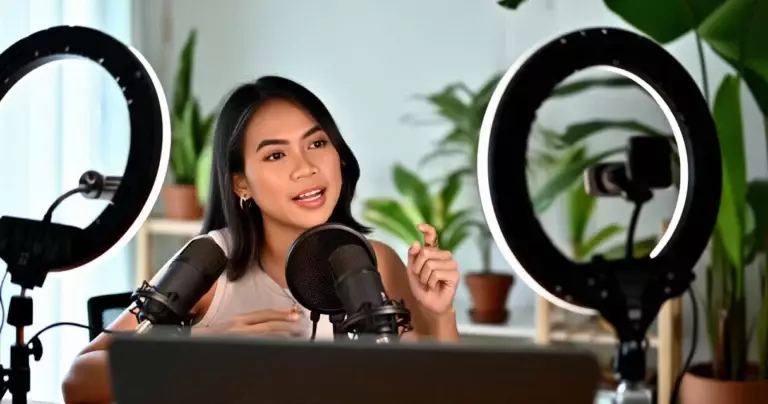
For video, add a 1080p or 4K webcam, a ring light or small LED panel, and a clean background. Many gaming podcasters in 2026 use their existing streaming setup, which keeps costs manageable. The critical point is that 45% of Singapore podcast consumers prefer video over audio-only, per YouGov’s 2026 findings, so investing in basic video capability from the start avoids a costly retrofit later.
| Component | Audio-Only Setup | Video Podcast Setup |
|---|---|---|
| USB microphone | Required | Required |
| Closed-back headphones | Required | Required |
| Pop filter and boom arm | Recommended | Recommended |
| Webcam or camera | Not needed | Required |
| LED lighting | Not needed | Required |
| Screen capture software | Optional | Required for gameplay segments |
Recording and Editing Software for Gaming Podcasts
Free and open-source tools handle recording and editing well enough for most beginner gaming podcasts. Audacity remains the standard for audio editing in 2026. It supports multitrack recording, noise reduction, and export to all major formats. For remote co-host or guest recording, browser-based tools like Riverside or Zencastr record each participant locally, which avoids the compression artefacts of a simple call recording.
If you are recording video alongside audio, OBS Studio is a free, open-source option that handles screen capture, webcam feeds, and scene switching. For gaming podcasts specifically, OBS is already familiar to many creators from streaming on platforms like Twitch or Kick, which makes the transition to podcast production smoother.
The shift from listening to watching, described in the Reuters Institute’s 2026 report, means a gaming podcast without any video component is leaving reach on the table.
Hosting Platforms and Distribution for Beginners
A podcast hosting platform stores your audio files and generates the RSS feed that directories like Apple Podcasts, Spotify, and Google Podcasts use to list your show. When evaluating how to start a gaming podcast for beginners, the hosting decision matters because it determines your analytics, monetization options, and ease of publishing.
Buzzsprout, which holds a 4.8 out of 5 rating across more than 700 reviews on Capterra Singapore, is a popular choice among beginners for its simple interface, built-in analytics, and free tier. Other well-regarded platforms include Podbean and Anchor (now part of Spotify for Podcasters), each offering free or low-cost entry points with distribution to all major directories.
Where Singapore Listeners Discover Podcasts
The 2024 Singapore survey found that 81% of podcast listeners used mobile phones as their primary device, with YouTube and Spotify as the preferred platforms. This means your distribution strategy should prioritise those two channels. Upload your episodes to a hosting platform that auto-distributes to Spotify and Apple Podcasts, then separately publish a video version to YouTube to capture the 49% of Singaporeans who watch video podcasts.
| Platform | Type | Why It Matters |
|---|---|---|
| YouTube | Video + audio distribution | Preferred by Singapore video podcast consumers (YouGov 2026) |
| Spotify | Audio + video hosting | Major discovery channel in Singapore survey data |
| Apple Podcasts | Audio directory | Traditional podcast discovery, strong iOS user base in SG |
| Social media (TikTok, Instagram Reels) | Short-form clips | Drives traffic back to full episodes |
Planning Your First Episodes
Before you hit record, plan at least three to five episodes in advance. This gives you a buffer against missed deadlines and lets you refine your format before your audience grows. A standard beginner gaming podcast episode runs between 30 and 60 minutes. Consistency matters more than frequency; a biweekly show that publishes reliably builds trust faster than a weekly show that skips episodes.
Structure each episode around a clear format. A typical gaming podcast might open with a quick news segment, move into a main topic or review, and close with listener questions or a community shout-out. Having a repeatable structure helps listeners know what to expect and makes your editing workflow more efficient.
How to Start a Gaming Podcast for Beginners: Step-by-Step Launch
Knowing the theory is useful, but the practical steps are what get your show live. Here is a concise walkthrough for going from idea to published episode.
- Define your niche and name. Pick a focused topic within gaming and choose a show name that is descriptive, memorable, and not already taken on major directories.
- Buy your equipment. Start with a USB microphone, headphones, and a pop filter. Add a webcam and lighting if you are launching with video.
- Set up recording software. Install Audacity for audio or OBS Studio for video. Test your levels and record a short sample to check sound quality.
- Create cover art and write a show description. Your cover art should be 3000 x 3000 pixels and visually clear at thumbnail size. The description should include relevant keywords like gaming podcast, your niche, and the platform or genre you cover.
- Sign up for a hosting platform. Buzzsprout, Podbean, or Spotify for Podcasters all offer free tiers suitable for beginners.
- Record and edit your first three episodes. Batch recording builds momentum and gives you a backlog.
- Submit your RSS feed to directories. Your hosting platform generates the feed; submit it to Apple Podcasts, Spotify, and Google Podcasts. Upload the video version to YouTube separately.
- Publish and promote. Share your launch across social media, gaming communities, and Discord servers relevant to your niche.
Monetization Options for a Gaming Podcast
Monetization usually comes after you have built a consistent audience, but understanding the options early helps you make better decisions about format and platform. The YouGov 2026 Singapore podcast advertising report found that podcast ads drive measurable consumer action, with listeners responding through search, site visits, social sharing, and purchases. This shift toward performance-based advertising means even smaller shows can attract sponsors if their audience engagement is strong.
Common monetization paths for beginner gaming podcasts include host-read sponsorships, platform ad programmes such as Spotify’s ad network, YouTube ad revenue on video episodes, listener-supported memberships through Patreon or Ko-fi, and affiliate links for gaming hardware and accessories. The creator economy is expanding rapidly, a trend explored in more depth by publications tracking top creator economy trends in 2026.
Growing Your Audience in Singapore and Beyond
Discovery is the biggest challenge for a new gaming podcast. Since 81% of Singapore podcast listeners use mobile phones and YouTube is a primary discovery platform, your growth strategy should focus on discoverability on those surfaces. Short-form video clips from each episode, posted to TikTok, Instagram Reels, and YouTube Shorts, are the most effective organic growth tool in 2026. Each clip should feature a compelling moment, a clear topic tag, and a call to action directing viewers to the full episode.
Community engagement matters as much as content. Join gaming subreddits, Discord servers, and local Singapore gaming communities. The streaming and creator scene in Singapore is active and collaborative, which can provide cross-promotion opportunities with other creators covering the streaming and creator culture landscape.
A gaming podcast does not need a massive audience to be worth running. A focused niche, consistent publishing, and genuine community interaction will grow a loyal listener base faster than chasing broad appeal.
Common Mistakes to Avoid When Starting a Gaming Podcast
Many beginner gaming podcasts stall within the first ten episodes. The most common reasons are inconsistent scheduling, poor audio quality, and trying to cover too broad a topic. Here are the mistakes that cost new podcasters the most time and momentum:
- Skipping audio quality checks. A microphone that picks up keyboard clicks or background noise will lose listeners within the first minute.
- Ignoring video. With 45% of Singapore consumers preferring video podcasts per YouGov’s 2026 data, going audio-only limits your potential audience.
- Launching with only one episode. Publishing at least three episodes on day one gives new listeners enough content to decide whether to subscribe.
- Neglecting show notes and episode descriptions. These are searchable text that helps new listeners find your episodes through search engines.
- Not repurposing content. Every podcast episode can become a YouTube video, several short clips, a blog post, and social media threads.
Frequently Asked Questions
How much does it cost to start a gaming podcast?
An audio-only setup can start for under S$200 with a USB microphone, pop filter, and free editing software. Adding video capability with a webcam and basic lighting brings the total closer to S$400 to S$600. Free hosting tiers from platforms like Buzzsprout or Spotify for Podcasters eliminate monthly costs at launch.
Should I start with audio-only or video?
Based on YouGov’s 2026 Singapore data, 45% of podcast consumers prefer video. Starting with at least a basic video component gives you access to YouTube’s discovery algorithm and the growing video podcast audience. If budget is tight, even a static webcam shot of you talking is better than no video at all.
How often should a gaming podcast publish new episodes?
Consistency is more important than frequency. A biweekly schedule is sustainable for most solo creators and gives you enough time to research, record, edit, and promote each episode. Weekly is ideal if you have a co-host sharing the workload.
What is the best hosting platform for beginners?
Buzzsprout, Podbean, and Spotify for Podcasters are the most recommended options for beginners. All three offer free tiers, automatic directory submission, and basic analytics. Choose based on which interface feels most intuitive to you and whether you need specific features like a built-in website or advanced monetization tools.
How do gaming podcasts make money?
The most common revenue streams are host-read sponsorships, platform ad programmes, YouTube ad revenue, listener memberships on Patreon or Ko-fi, and affiliate links for gaming products. According to YouGov’s 2026 Singapore podcast advertising report, podcast ads drive measurable actions from listeners, which makes even smaller shows attractive to niche sponsors. Most gaming podcasts that are part of the broader evolution of content creation build multiple income streams over time.
Do I need guests for a gaming podcast?
Guests are not required but they add variety and can introduce your show to new audiences. Many successful gaming podcasts alternate between solo commentary episodes and guest interviews. Start solo to develop your voice and format, then introduce guests once you are comfortable with the production workflow.
Key Takeaways for Starting Your Gaming Podcast
Learning how to start a gaming podcast for beginners in 2026 comes down to focused preparation and consistent execution. The Singapore podcast audience is large, mobile-first, and increasingly interested in video formats. Start with a clear niche, invest in decent audio equipment, plan for video from day one, and choose a hosting platform that distributes to Spotify, Apple Podcasts, and YouTube. Publish consistently, engage with your community, and treat each episode as content that can be repurposed across multiple platforms. The gaming niche has room for new voices, and the tools available today make it possible for anyone willing to put in the work.
Limitations: this guide focuses on getting started with a gaming podcast and does not cover advanced topics like multi-camera studio production, enterprise-level advertising sales, or network syndication deals. Costs referenced are approximate and may vary based on specific equipment choices and Singapore retail availability as of September 2026.
Sources
- YouGov: Podcast Ads Drive Strong Consumer Action in Singapore (2026) — retrieved September 8, 2026
- Singapore Business Review: Singaporeans Mainly Tune Into Podcasts for Education, Entertainment (2024) — retrieved September 8, 2026
- Reuters Institute: The Changing Shape and New Economics of News Podcasting (2026) — retrieved September 8, 2026
- YouGov: Singapore Podcast Advertising Report 2026 — retrieved September 8, 2026
- YouGov: Where Are Global Podcast Listeners in 2025 — retrieved September 8, 2026