Summary
From sophisticated AI tracking to multi-million dollar corporate agencies, we examine how the Vtuber ecosystem is scaling globally.
Table of contents
- 1 Vtuber Industry Statistics & Market Data 2026
- 1.1 Vtuber Market Size and Growth
- 1.2 Vtuber Monetization Trends 2026
- 1.3 AI Technology and the Future of Vtubing
- 2 The Evolution of Vtuber Corporate Agencies and Global Expansion
- 3 The Tech Stack: Advanced Motion Capture and AI Integration
- 4 Technical Hierarchy of Vtuber Setup in 2026
- 5 Monetization and the Power of Super Chat Communities
- 6 Frequently Asked Questions (FAQ)
- 6.1 Do Vtubers hide their real identity?
- 6.2 What is the difference between Live2D and 3D Vtubing?
- 6.3 Are Vtubers AI?
- 6.4 How do I start Vtubing?
- 7 The Future of Virtual Entertainment
- 8 The Technological Pipeline: Advanced Tracking and Virtual Reality
- 8.1 What are the biggest vtuber industry trends for 2026?
- 8.2 What is the vtuber market size in 2026?
- 9 Conclusion
- 10 Related Reading
The creator economy is home to some of the most rapid technological innovations in entertainment. None have been more visually striking than the rise of Virtual YouTubers, or Vtubers. Utilizing motion capture technology, facial tracking software, and custom-designed 2D or 3D anime avatars, these creators stream, sing, and interact with audiences without revealing their physical faces. In 2026, Vtubing is no longer a niche subculture but a multi-million dollar corporate industry dominated by global agencies. In this report, we evaluate the growth of the Vtuber ecosystem, the technology driving it, and what the future holds for this virtual phenomenon.
Vtuber Industry Statistics & Market Data 2026
The vtuber industry has scaled from a niche Japanese internet subculture into a globally recognised entertainment sector. In 2026, the market encompasses hundreds of active agencies, thousands of independent creators, and an audience spanning every major streaming platform. Key statistics shaping the industry this year include sustained growth in YouTube and Twitch viewership for virtual creators, expanding revenue through brand sponsorships, merchandise, and live concert events, and rapid adoption of AI-driven avatar tracking technology that lowers the barrier of entry for aspiring vtubers.
Vtuber Market Size and Growth
Corporate agencies such as Hololive Production (Cover Corp) and Nijisanji (ANYCOLOR Inc.) continue to dominate the upper tier of the vtuber market, with talent rosters spanning Japan, English-speaking markets, Indonesia, and Korea. Independent vtubers — those operating without agency backing — have grown in number significantly, supported by affordable rigging software and direct fan-funding tools such as Patreon, memberships, and Super Chats.
Vtuber Monetization Trends 2026
Monetization strategies for vtubers in 2026 have matured well beyond simple ad revenue and subscriptions. The most successful creators now generate income through a diversified stack: platform subscriptions and memberships, merchandise and limited-edition physical goods, sponsored brand integrations, paid live concert tickets and watch parties, and co-developed IP licensing deals with game publishers. This multi-stream monetization model mirrors what traditional entertainment talent agencies have used for decades — applied to the virtual creator space.
AI Technology and the Future of Vtubing
The most significant technological development in the 2026 vtuber landscape is the adoption of AI-driven real-time facial and motion tracking that operates without dedicated motion capture hardware. Creators can now deploy expressive, rigged 3D avatars using only a standard webcam and consumer-grade processing power. This has dramatically reduced startup costs and expanded the talent pool available to both agencies and independent creators.
The Evolution of Vtuber Corporate Agencies and Global Expansion
The early days of Vtubing were defined by pioneering independent creators and Japanese agencies like Hololive Production and Nijisanji. However, in 2026, the corporate landscape has expanded globally, with agencies establishing localized branches in North America, Europe, and Southeast Asia. These agencies recruit top-tier vocal, gaming, and comedic talent, providing them with high-end avatars, marketing support, and merchandise deals. The commercial success of corporate Vtuber concerts, which fill arenas using holographic projection technology, shows that these virtual talents hold the same draw as traditional pop stars.
To see how Vtubers monetize their channels compared to standard live-streamers, check out our comparison on Twitch vs Kick Creator Splits 2026: Where Should Streamers Go? and discover the broad shifts in creator funding in the Top Creator Economy Trends in 2026: Crowdfunded Content Dominance to understand the macro economic trends of the digital entertainment industry.
The Tech Stack: Advanced Motion Capture and AI Integration
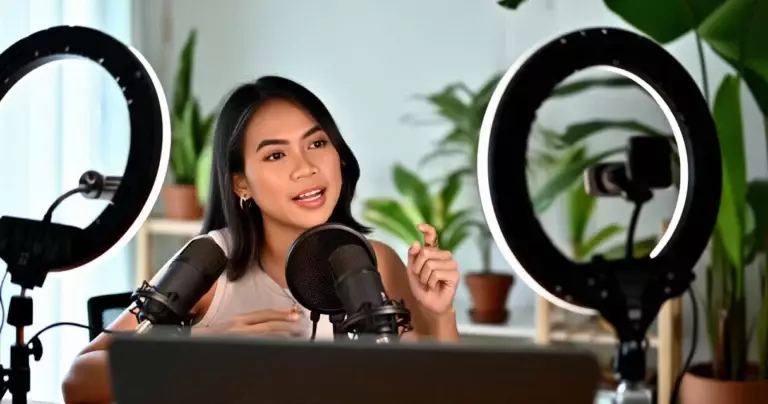
The technology behind Vtubing has democratized rapidly. In the early days, high-quality 3D tracking required expensive studio-grade motion capture suits. Today, consumers can achieve incredibly expressive facial tracking using an iPhone camera and software like Live2D Cubism or VTube Studio. For high-end 3D streams, creators utilize accessible inertia-based motion capture suits and VR tracking pucks to capture full-body movement in real-time. Additionally, the integration of AI-driven voice modulators, custom interactive chat widgets, and real-time avatar translation tools has made streams highly interactive.
Technical Hierarchy of Vtuber Setup in 2026
| Setup Tier | Hardware Requirements | Software & Avatar Style | Estimated Startup Budget |
|---|---|---|---|
| Entry-Level (Independent) | Standard PC, iPhone/Webcam for tracking | VTube Studio, basic Live2D avatar commission | $500 – $1,500 |
| Mid-Tier (Professional Indie) | Dual PC setup, iPhone, hand-tracking camera | Custom 3D model (Unity/Unreal), VSeeface | $2,000 – $5,000 |
| Agency-Grade (Corporate) | High-end PCs, full-body mocap suit, studio environment | Proprietary tracking systems, custom Unity/Unreal integration | $10,000+ |
Monetization and the Power of Super Chat Communities
Vtubers are some of the most highly monetized creators on the internet, often out-earning traditional face-cam streamers in direct viewer donations. The culture of sending Super Chats on YouTube and Subs/Bits on Twitch is deeply ingrained in the Vtuber community, with viewers feeling a strong personal connection to the characters. Additionally, physical merchandise sales, including acrylic stands, plushies, and voice packs, represent a massive revenue stream for agencies and independent creators alike. Corporate sponsorships from gaming, tech, and food brands have also increased, proving that companies are comfortable working with virtual avatars.
- Direct Fan Funding: High-density viewer donations through Super Chats and channel memberships.
- Merchandising: Selling localized physical collectibles, apparel, and digital goods.
- Live Concerts: Ticket sales for holographic, mixed-reality musical performances.
- Voice Packs: Selling custom recorded digital voice files for fans.
Frequently Asked Questions (FAQ)
Do Vtubers hide their real identity?
Yes, maintaining ‘kayfabe’ (the illusion of the character) is a core aspect of the culture. Revealing the physical face or real name of a corporate Vtuber is highly discouraged and can lead to contract termination.
What is the difference between Live2D and 3D Vtubing?
Live2D utilizes layered 2D art that is rigged to move and rotate, mimicking a 3D effect while maintaining a hand-drawn anime look. 3D Vtubing uses full polygonal models that allow for complete freedom of movement in virtual space.
Are Vtubers AI?
No, Vtubers are controlled by real human performers, often referred to as the ‘soul’ of the avatar. The performer provides the voice, movements, and personality in real-time.
How do I start Vtubing?
You need a decent PC, a webcam or iPhone, tracking software like VTube Studio, and a rigged avatar, which you can commission or purchase as a pre-made model.
The Future of Virtual Entertainment
As virtual reality, augmented reality, and AI technology continue to evolve, the boundaries between the real and virtual worlds will continue to blur. Vtubers are pioneering this digital frontier, showing that audiences can build deep, empathetic connections with digital avatars. The expansion of Vtubing into mainstream media, including television appearances, fashion collaborations, and global music charts, indicates that this virtual wave is just getting started, transforming the future of the creator economy.
For articles on digital media trends and virtual talent agencies, visit the official Wikipedia Article on Vtubing.
The Technological Pipeline: Advanced Tracking and Virtual Reality
The explosion of Vtubing is driven by continuous advancements in motion tracking and real-time rendering technology. In the early days, Vtubers relied on basic webcams and 2D tracking software, which often resulted in stiff and unresponsive avatars. In 2026, the technology has democratized, allowing independent creators to access studio-grade tracking from the comfort of their homes. Utilizing advanced depth-sensing cameras (such as the TrueDepth camera on modern iPhones) and specialized software like VTube Studio, creators can map micro-expressions, eye movements, and mouth shapes with incredible accuracy.
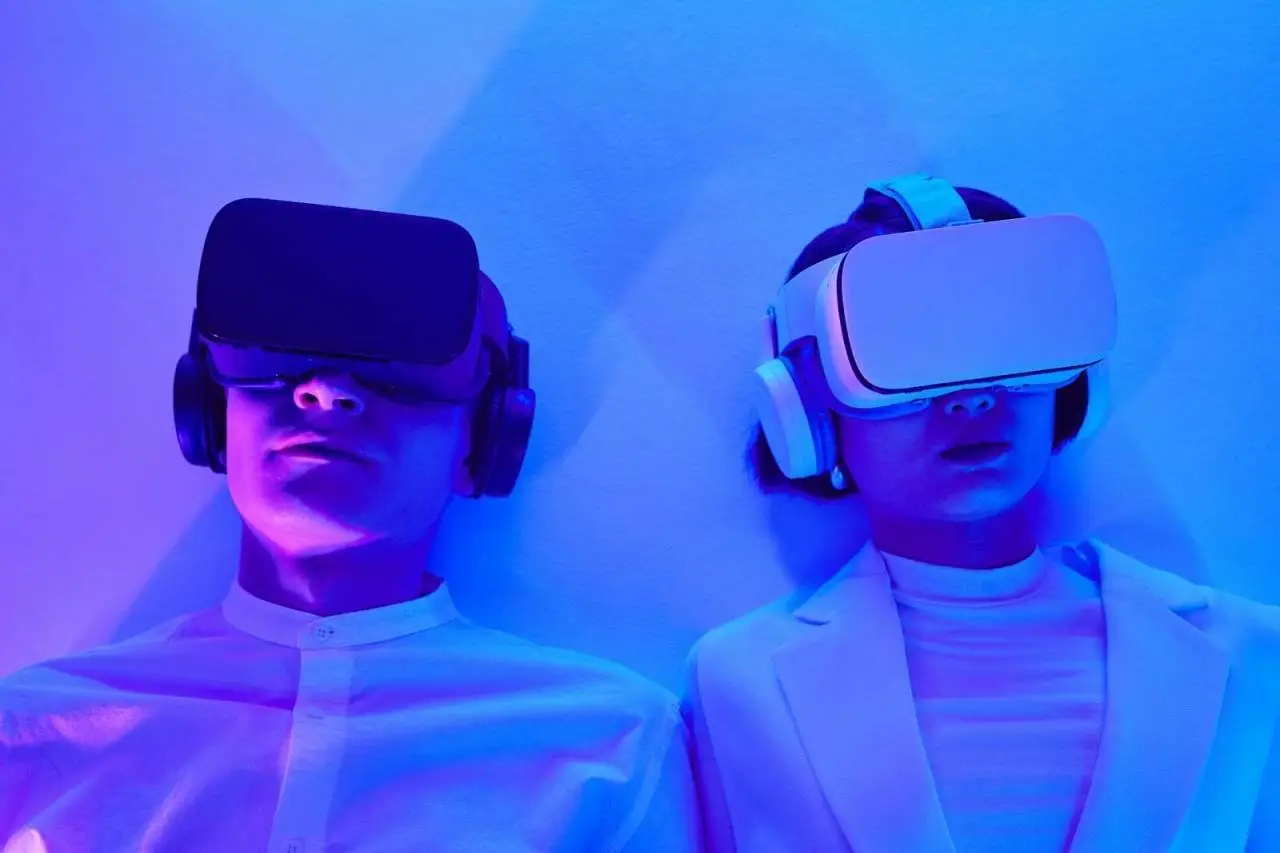
For high-end 3D Vtubers, the technology extends to full-body motion capture using inertial sensors and optical tracking systems. Devices like Mocopi and SlimeVR have made full-body tracking affordable, allowing creators to perform dance routines, interact with virtual objects, and host live concerts in virtual reality. These virtual avatars are rendered in real-time using engines like Unity or Unreal Engine, integrating seamlessly with live-streaming software. The merging of these tracking systems with virtual reality platforms like VRChat has opened up new forms of interactive entertainment, where fans can attend virtual meet-and-greets and interact directly with their favorite performers in a fully realized 3D environment.
In addition to tracking technology, the business of Vtubing has matured into a global industry with major talent agencies like Hololive and Nijisanji managing hundreds of creators. These agencies act as traditional entertainment companies, coordinating merchandise launches, music album releases, and massive live 3D concerts in physical arenas where virtual avatars are projected onto massive screens. For independent Vtubers, the path to success requires a unique blend of content creation, community building, and technical expertise, as they must manage their own tracking setups, stream overlays, and avatar updates. This dual role of performer and technical director makes Vtubers some of the most versatile creators in the modern media landscape.
This complex mixture of creative and technical demands is why the Vtuber industry continues to grow at an exponential rate, attracting talent from traditional entertainment sectors who seek more creative freedom and privacy. As motion tracking hardware becomes even more affordable, the barrier to entry will drop, leading to an even more diverse and creative array of virtual performers dominating the streaming landscapes of the future.
What are the biggest vtuber industry trends for 2026?
The most significant vtuber trends in 2026 include the growth of AI-powered avatar rigging, the expansion of English-language vtuber agencies beyond Japan, a rise in cross-platform broadcasting (Twitch and YouTube simultaneously), and increasingly sophisticated brand sponsorship deals with mainstream consumer companies. Monetization has also diversified beyond streaming revenue to include merchandise, live events, and IP licensing.
What is the vtuber market size in 2026?
The global vtuber market continues to grow year-over-year, driven by major agencies like Hololive and Nijisanji expanding internationally, the growth of indie vtubers on platforms like Twitch and YouTube, and increasing mainstream brand interest. The market spans streaming revenue, merchandise, sponsorships, and live entertainment across multiple regions.
Conclusion
The evolution of Vtubing represents a massive shift in how we consume entertainment and build online communities. By utilizing cutting-edge motion tracking and digital art, these creators have built highly engaged, global fanbases. If you are a streamer looking for a creative outlet that bypasses the pressures of showing your physical face, Vtubing is the ultimate medium of expression.