Summary
When Hades reached its full 1.0 release on September 17, 2020, it carried a Metacritic score of 93 out of 100 on PC, placing it among the highest-rated games of that decade. Supergiant Games, a studio of fewer than 25...
Table of contents
- 1 What Is Hades?
- 2 The Gameplay Loop That Refuses to Let Go
- 3 A Story That Unfolds Through Death
- 4 Art Direction, Music, and Presentation
- 5 Pros and Cons
- 5.1 Strengths
- 5.2 Limitations
- 6 Pricing and How It Compares
- 7 Who Should Play Hades?
- 8 Frequently Asked Questions
- 8.1 Is Hades worth buying in 2026?
- 8.2 How long does it take to beat Hades?
- 8.3 What is God Mode and should I use it?
- 8.4 How does replayability work in Hades?
- 8.5 Is Hades connected to Hades II?
- 8.6 Why did Hades win so many awards?
- 9 Related Reading
- 10 Sources
When Hades reached its full 1.0 release on September 17, 2020, it carried a Metacritic score of 93 out of 100 on PC, placing it among the highest-rated games of that decade. Supergiant Games, a studio of fewer than 25 people, had spent nearly two years in Early Access building something the roguelike genre had not seen before: a game where dying was a narrative event rather than a failure state. Six BAFTA Games Awards in 2021 and four prizes at The Game Awards 2020 followed. This review examines what made that possible and whether Hades holds up for players discovering it now.
What Is Hades?
Hades is an isometric action roguelike developed and published by Supergiant Games, the independent studio founded in 2011 and known for Bastion, Transistor, and Pyre. Players control Zagreus, son of the death god Hades, attempting to escape the Greek Underworld and reach Mount Olympus. Each run through procedurally arranged chambers ends in a successful escape or death – and either way, the story continues. For broader context on what distinguishes games like this from major publisher releases, our guide on what indie games are covers the fundamentals.
The game entered Steam Early Access in December 2018 and reached its full 1.0 release simultaneously on PC and Nintendo Switch on September 17, 2020. PlayStation and Xbox versions followed in August 2021, and an Apple Arcade iOS port arrived in 2022. Hades II, a full standalone sequel featuring a new protagonist named Melinoe, entered Early Access in May 2024 and remains there as of mid-2026.
The Gameplay Loop That Refuses to Let Go
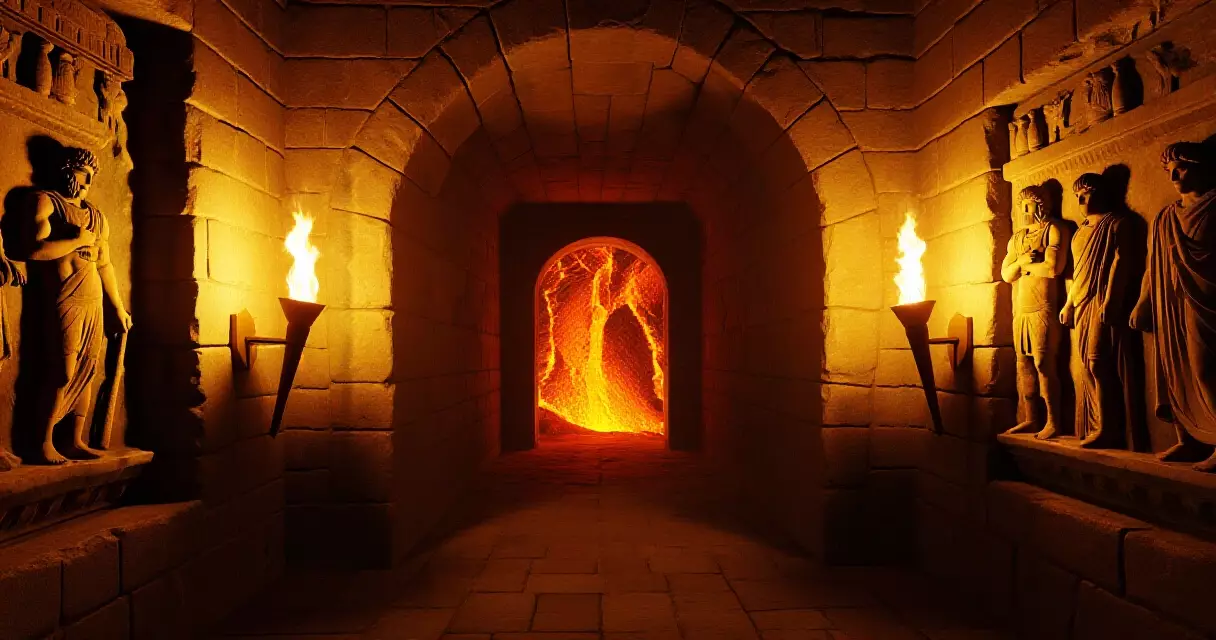
Each run takes Zagreus through four biomes – Tartarus, Asphodel, Elysium, and the Temple of Styx – each with escalating enemy types and a boss encounter at the end. After clearing a room, Zagreus receives a boon from one of the Olympian gods: a power-up that modifies his abilities for that run only. The boon system is where Hades distinguishes itself most clearly. Zeus boons add chain lightning, Poseidon boons push enemies into walls, Athena boons deflect incoming projectiles back at attackers. Synergistic duo boons – requiring two specific gods’ gifts active simultaneously – give experienced players a deep strategic layer to pursue across hundreds of runs.
Six Infernal Arms give Zagreus six distinct combat identities: the Stygian Blade (sword), Varatha the Eternal Spear, the Shield of Chaos, the Adamant Rail (close-range gun), the Twin Fists of Malphon, and the Heart-Seeking Bow. Each weapon carries four unlockable aspects that fundamentally alter its behavior, giving the player 24 weapon archetypes before boon modifiers are factored in. Between runs, Darkness unlocks permanent upgrades via the Mirror of Night, Gemstones fund hub improvements, and Nectar deepens character relationships while unlocking run-boosting Keepsakes. The meta-progression grows organically rather than gating content behind a grind wall.
A Story That Unfolds Through Death
Supergiant’s most significant achievement with Hades is structural. Most roguelikes treat narrative as a wrapper around gameplay. Hades treats gameplay as a vehicle for narrative. The game ships with thousands of fully voice-acted lines, and its internal state machine ensures characters acknowledge recent events, past conversations, and current circumstances without repetition feeling cheap. Zagreus’s relationship with his cold, enigmatic father forms the emotional spine of the game. The Olympians who grant boons are full characters: Dionysus is jovially chaotic, Athena is measured and strategic, Ares is blunt in a way that is simultaneously funny and unsettling.
The companion system extends this across the full cast. Achilles, Megaera, Thanatos, and Dusa become genuine relationships as players gift them Nectar over dozens of hours. Megaera, the Fury who serves as the first boss in most early runs, becomes one of the game’s most memorable characters because the player fights her repeatedly while simultaneously building a bond with her between attempts. Writer Greg Kasavin describes the approach as reactive storytelling – enough state is tracked that Zagreus feels like he exists in a living world, not a cutscene sequence. Players at the 80-hour mark still encounter new dialogue.
Dying in Hades is not losing. It is a story beat, a conversation, a reason to try again.
Art Direction, Music, and Presentation
Art director Jen Zee’s visual language draws from ancient Greek pottery and sculpture but renders those figures in a bold, high-contrast style that reads clearly at any resolution. Every Olympian communicates personality at a glance: Zeus crackles with gold energy, Aphrodite radiates rose-gold warmth, Demeter carries an ice-blue severity. The four biomes – claustrophobic Tartarus, open-platform Asphodel, palatial Elysium, tight-corridor Temple of Styx – each have distinct aesthetics and introduce enemy types requiring different tactical responses, keeping the mid-game visually and mechanically fresh.
Composer Darren Korb blends prog rock, metal, and orchestral elements into a soundtrack that feels both ancient and urgent. “In the Blood,” a late-game vocal piece performed by Ashley Barrett, has accumulated millions of plays on Spotify. The score won Best Score/Music at The Game Awards 2020 and Best Audio Achievement at the BAFTA Games Awards 2021.
| Feature | Detail |
|---|---|
| Developer / Publisher | Supergiant Games (self-published) |
| Genre | Roguelike / Action |
| Full Release Date | September 17, 2020 |
| Platforms | PC (Win/Mac/Linux), Switch, PS4, PS5, Xbox One, Xbox Series X/S, iOS |
| Price | $24.99 |
| Metacritic (PC) | 93/100 |
| Average Playtime | 25–60 hours |
| ESRB Rating | T (Teen) |
| Sequel | Hades II (Early Access, May 2024) |
Pros and Cons
For players weighing Hades against the wider market – including the value gap between indie and AAA titles – the honest breakdown of strengths and limitations is worth stating clearly.
Strengths
- Combat variety across 6 weapon types and 24 aspects, deepened further by boon synergies
- Narrative integration with the roguelike loop is unprecedented in the genre
- Thousands of lines of fully voiced, context-sensitive dialogue that rarely repeat
- God Mode makes the game accessible without removing content or achievements
- Outstanding art and music sustained across 50+ hours of play
- Strong post-completion replay via the Pact of Punishment Heat system
- $24.99 price that overdelivers on content relative to most of the market
Limitations
- The final boss demands mechanical precision that can frustrate players before they discover God Mode
- Mid-game repetition is noticeable for players who commit to one weapon build and never experiment
- Some character arcs need 20+ hours of investment before they fully develop
- No co-op or multiplayer of any kind
- The Apple Arcade iOS version has reduced visual fidelity and imprecise touch controls
Pricing and How It Compares
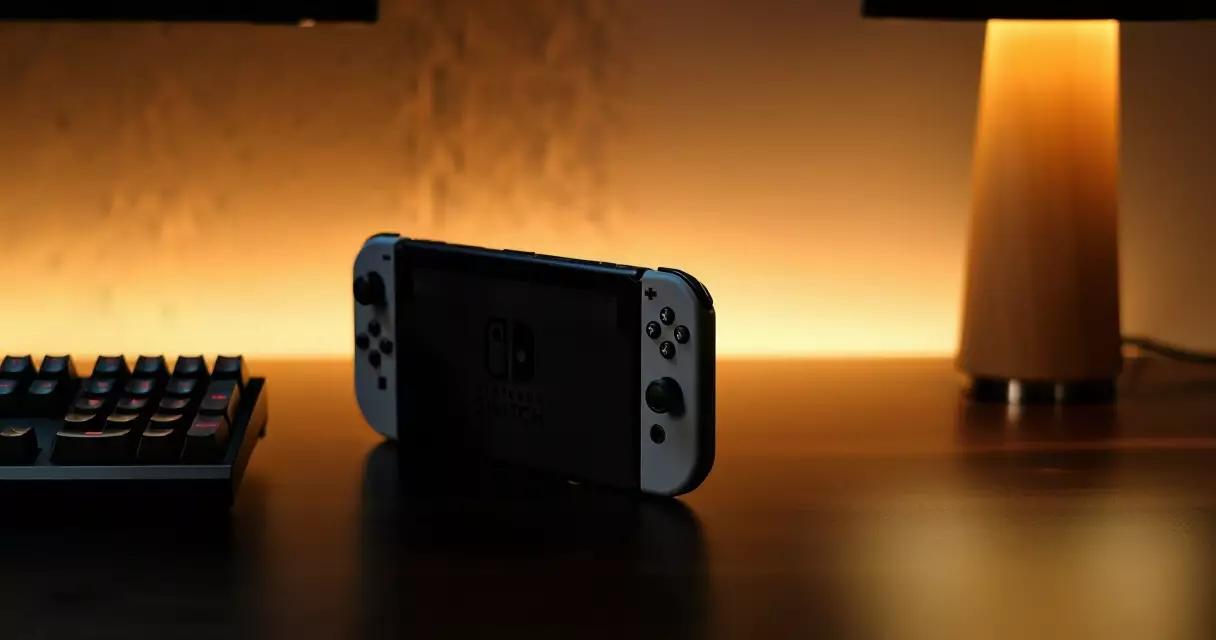
Hades is priced at $24.99 across all digital storefronts. Steam sale events typically bring this to $12–17. The Nintendo Switch version launched alongside PC on September 17, 2020, and remains an excellent portable option. The PS5 version adds DualSense haptic feedback. The iOS Apple Arcade version ($6.99/month subscription) is the weakest by a significant margin due to touch control imprecision and reduced visual quality – players with access to PC, Switch, or console should use one of those versions.
Against its closest genre peers, Hades holds up strongly. Dead Cells matches its $24.99 price and earns a comparable 91 on Metacritic, but strips out nearly all narrative. Returnal ($59.99, Metacritic 86) attempts a similar story-roguelike blend but costs more than twice as much and is limited to PS5 and PC. Enter the Gungeon ($14.99) and Spelunky 2 ($19.99) are excellent mechanics-first options for players who do not want narrative at all.
| Title | Developer | Price | Metacritic | Narrative Focus |
|---|---|---|---|---|
| Hades | Supergiant Games | $24.99 | 93 | Very High |
| Dead Cells | Motion Twin | $24.99 | 91 | Low |
| Returnal | Housemarque | $59.99 | 86 | High |
| Spelunky 2 | Mossmouth | $19.99 | 90 | Very Low |
| Enter the Gungeon | Dodge Roll | $14.99 | 83 | Low |
Where most roguelikes reward patience with mechanical mastery, Hades rewards patience with a story – and that changes what repetition feels like entirely.
Who Should Play Hades?
Hades is ideal for players who have bounced off roguelikes due to narrative emptiness. Every run that ends in death still advances the story, deepens a relationship, or unlocks new dialogue. Progress never feels wasted. Players who enjoy action combat with meaningful build diversity will find the boon system provides real strategic variety run after run, and the Heat system structures further challenge once the story concludes.
The game is a poor fit for players who need co-op or multiplayer, or who prefer sessions under 30 minutes. Individual late-game runs take 30–60 minutes, and the title rewards sustained play. Parents should note the ESRB T (Teen) rating, which reflects mild violence and some suggestive dialogue – the content is less intense than most T-rated games, and God Mode makes the experience approachable for beginners without any trade-off.
For readers building a picture of what indie games can achieve, Hades belongs alongside Hollow Knight as one of the clearest examples of a small independent studio delivering a game that surpasses most big-budget competition on its own terms. The creative freedom that independent development provides is precisely what made its narrative design possible.
Frequently Asked Questions
Is Hades worth buying in 2026?
Yes. The combat is as fast and rewarding as at launch, the narrative remains one of the strongest in the roguelike genre, and the $24.99 price – often lower during Steam sales – continues to represent exceptional value for the content provided. Hades II exists in Early Access for players who want something newer from Supergiant, but the original is a finished product with no significant issues on current hardware. Players discovering Hades for the first time in 2026 will find the same experience critics praised in 2020, fully intact and playable without any workarounds or compatibility concerns.
How long does it take to beat Hades?
Reaching the narrative ending requires clearing the final boss in a successful escape. Most players achieve their first clear between run 20 and run 50 – typically 15–25 hours of total play depending on skill level and whether God Mode is active. Seeing the true ending demands multiple additional clears and significant relationship development across the cast, often 40–60 total hours. Players who then engage the Pact of Punishment difficulty system post-completion can add another 20–40 hours of structured challenge, making Hades one of the best-value games at its price point in any genre.
What is God Mode and should I use it?
God Mode is an accessibility option that reduces the damage Zagreus takes by a small percentage after each death, capping at meaningful reduction over time. It is toggleable at any point, does not disable achievements, does not alter narrative content, and leaves no visible mark on the save file. Supergiant designed it because they wanted everyone to experience the full story regardless of action game skill level. There is no stigma in using it – the developers built it specifically to be used by players who find the default difficulty discouraging. Turning it on is a valid choice at any point in the playthrough, with no consequences.
How does replayability work in Hades?
Hades’s replayability comes from three sources working together. The boon system ensures no two runs are mechanically identical – different gods, boons, and weapon aspects produce builds that feel distinct each time. The narrative state machine surfaces new dialogue and story events well into the 50-hour range, so players are still rewarded for continued investment long after the story ends. The Pact of Punishment layers stackable difficulty modifiers that give veteran players structured targets post-completion. These three systems reinforce each other in a way that makes the game feel considerably larger than its file size suggests.
Is Hades connected to Hades II?
Hades II is a standalone sequel that does not require playing the original to understand or enjoy. It features a new protagonist, Melinoe, and takes place after the first game’s story has concluded. Some characters from the original appear in the sequel in altered circumstances. Supergiant describes Hades II as a full-scale second game built on the same narrative roguelike philosophy rather than a continuation of the first game’s specific systems. As of mid-2026, Hades II remains in Early Access with no announced date for its full 1.0 release.
Why did Hades win so many awards?
Hades won across game design, narrative, music, and art direction because it excelled in every dimension simultaneously rather than trading strength in one area for weakness in another. Its sweep of six BAFTA Games Awards in 2021 reflected a rare alignment of mechanical, narrative, and audiovisual quality rarely seen in a single release. The Hugo Award for Best Dramatic Presentation (Long Form) added validation from the broader speculative fiction community. According to Wikipedia’s entry on Hades, it also ranked among the best-selling Steam releases of 2020, placing it among the best indie games of all time by both critical and commercial measures.
Related Reading
- Best Indie Games: Hidden Gems Across All Platforms
- Best Game Engines for Indie Games Compared (2026)
- Common Indie Game Development Mistakes and How to Avoid Them
- How Much Does It Cost to Make an Indie Game?
- How to Fund an Indie Game: Crowdfunding, Grants, Publishers
- How to Make an Indie Game: A Beginner's Roadmap
- How to Market an Indie Game: A Marketing Playbook That Works
- How to Publish and Sell Your Indie Game on Steam
- Indie Game Development Timeline: How Long to Ship
- Indie Games vs AAA Games: Key Differences Explained
- The Best Indie Games of All Time, Ranked by Impact
- What Are Indie Games? A Guide to Independent Game Development
- Why Do Indie Games Fail? Causes, Warning Signs, and Fixes
- Celeste Review: A Precision Platformer With Heart
- Hollow Knight Review: Why This Metroidvania Defined a Generation
- Stardew Valley Review: The Solo-Made Farming Sim That Conquered Indie Gaming
Sources
- Wikipedia: Hades (video game)
- Wikipedia: Supergiant Games
- BAFTA Games Awards 2021
- The Game Awards 2020
- Metacritic: Hades
- Wikipedia: Hugo Award for Best Dramatic Presentation
Gaming Laptop Buyer’s Guide: Performance, Portability & Best Models