Summary
When Owlcat Games launched a Kickstarter campaign in February 2021 to fund Pathfinder: Wrath of the Righteous, backers pledged over $2 million – nearly four times the original $300,000 goal, according to Kickstarter records. That signal of confidence proved warranted....
Table of contents
- 1 What Is Pathfinder: Wrath of the Righteous?
- 2 From Tabletop to Screen: Development History
- 3 Gameplay and Core Mechanics
- 4 Story, Writing, and World-Building
- 5 Game Specs, Editions, and Technical Details
- 6 Pros and Cons
- 7 How It Compares to Other CRPGs
- 8 Pricing, Editions, and DLC
- 9 Who Should Play Pathfinder: Wrath of the Righteous?
- 10 Our Verdict
- 11 Frequently Asked Questions
- 11.1 Is Pathfinder: Wrath of the Righteous better than Pathfinder: Kingmaker?
- 11.2 How long does it take to finish Wrath of the Righteous?
- 11.3 Which mythic path is best for a first playthrough?
- 11.4 Is Pathfinder: Wrath of the Righteous good on console?
- 11.5 How does Wrath of the Righteous compare to Baldur’s Gate 3?
- 11.6 Do you need to know the Pathfinder tabletop game to enjoy it?
- 11.7 Is the Enhanced Edition worth buying over the base game?
- 11.8 What class should beginners pick?
- 12 Related Reading
- 13 Sources
When Owlcat Games launched a Kickstarter campaign in February 2021 to fund Pathfinder: Wrath of the Righteous, backers pledged over $2 million – nearly four times the original $300,000 goal, according to Kickstarter records. That signal of confidence proved warranted. Released on September 2, 2021 for PC and later ported to consoles in 2022, Wrath of the Righteous stands as one of the most faithful adaptations of tabletop RPG mechanics ever committed to a video game, built on Paizo’s Pathfinder 1e rule set and set against a demon-infested crusade that lasts well over 100 hours for completionists.
What Is Pathfinder: Wrath of the Righteous?
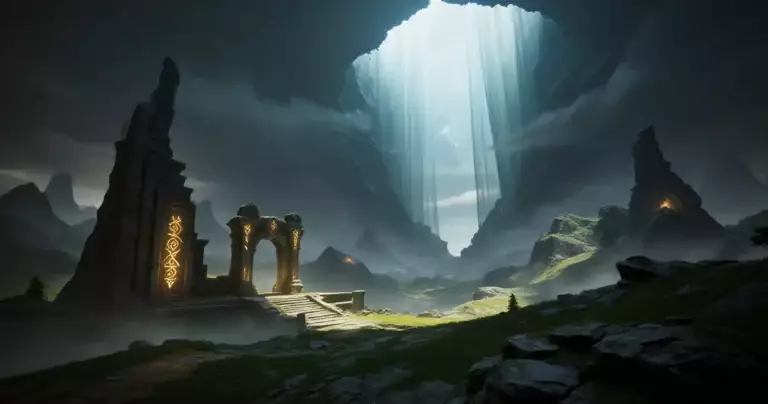
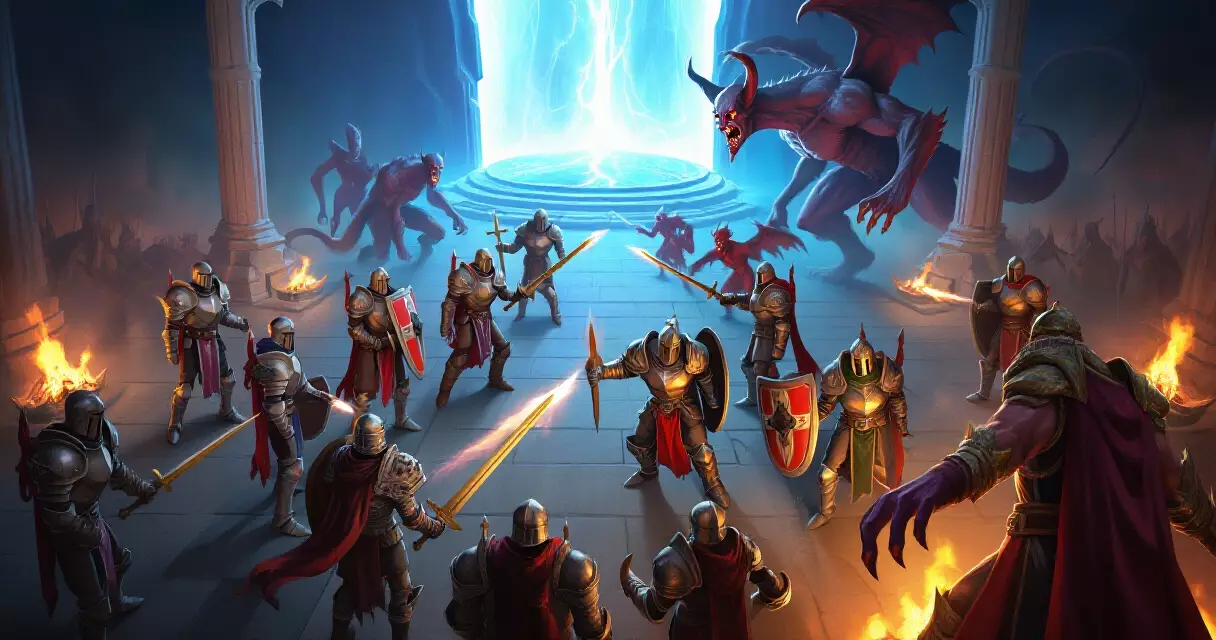
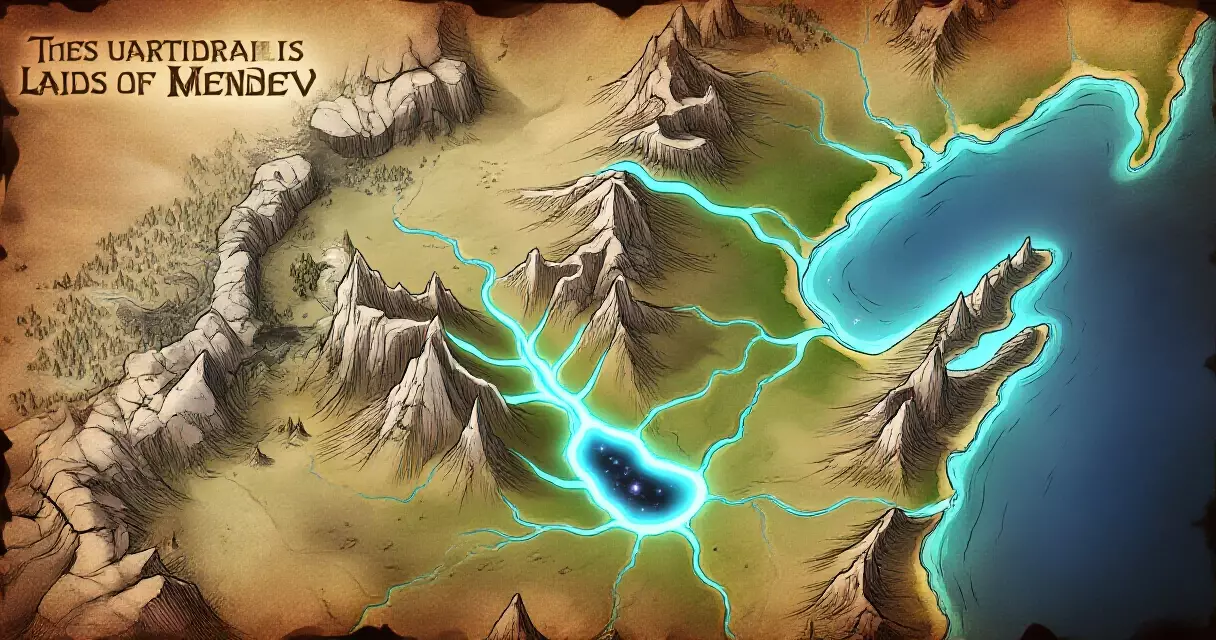
Pathfinder: Wrath of the Righteous is an isometric CRPG developed by Moscow-based studio Owlcat Games and published by Meta Publishing. It is the sequel to Pathfinder: Kingmaker (2018) and is based directly on the Wrath of the Righteous Adventure Path published by Paizo for the tabletop Pathfinder RPG system. The game tasks the player with leading a crusade against demons pouring through the Worldwound, a massive planar rift in the nation of Mendev, while gradually gaining mythic power that transcends normal character progression.
Where its predecessor Kingmaker was criticized for punishing time limits and rough technical performance at launch, Owlcat spent additional development cycles addressing those pain points. The result is a notably more polished experience, even if it still carries the studio’s characteristic ambition-over-accessibility ratio. If you have played Baldur’s Gate 3 and want something that goes even deeper on tabletop fidelity, Wrath of the Righteous is your next destination.
From Tabletop to Screen: Development History
Owlcat Games was founded in 2016 by veterans of Nival, the studio behind Heroes of Might and Magic V. Their debut, Pathfinder: Kingmaker, demonstrated a willingness to tackle one of tabletop gaming’s most mechanically demanding systems, converting Paizo’s Pathfinder 1e rules into a real-time-with-pause engine. The game sold over 1 million copies despite a rough launch (via Owlcat’s own reporting), and the studio used the commercial success to greenlight a sequel with an expanded scope.
The Kickstarter campaign for Wrath of the Righteous launched in February 2021 and closed with 34,693 backers pledging $2,055,000. Owlcat promised a game built around the mythic rules subsystem – a power-scaling mechanic from Pathfinder 1e that lets characters ascend to near-divine status. The studio delivered on that promise when the game shipped September 2, 2021. An Enhanced Edition arrived December 2, 2022 for consoles, bundling all DLC released to that point. According to Metacritic, the PC version holds an 84 Metascore with 74 critic reviews.
Gameplay and Core Mechanics
Wrath of the Righteous uses Pathfinder 1e rules, arguably the most mechanically dense version of the d20 system ever codified. Character creation alone offers 25 base classes, dozens of archetypes within those classes, and a staggering array of feats, spells, and ability score interactions. For players familiar with Dungeons and Dragons 3.5 – the edition Pathfinder 1e was built on – the system will feel like a homecoming. For newcomers, it is a wall of information.
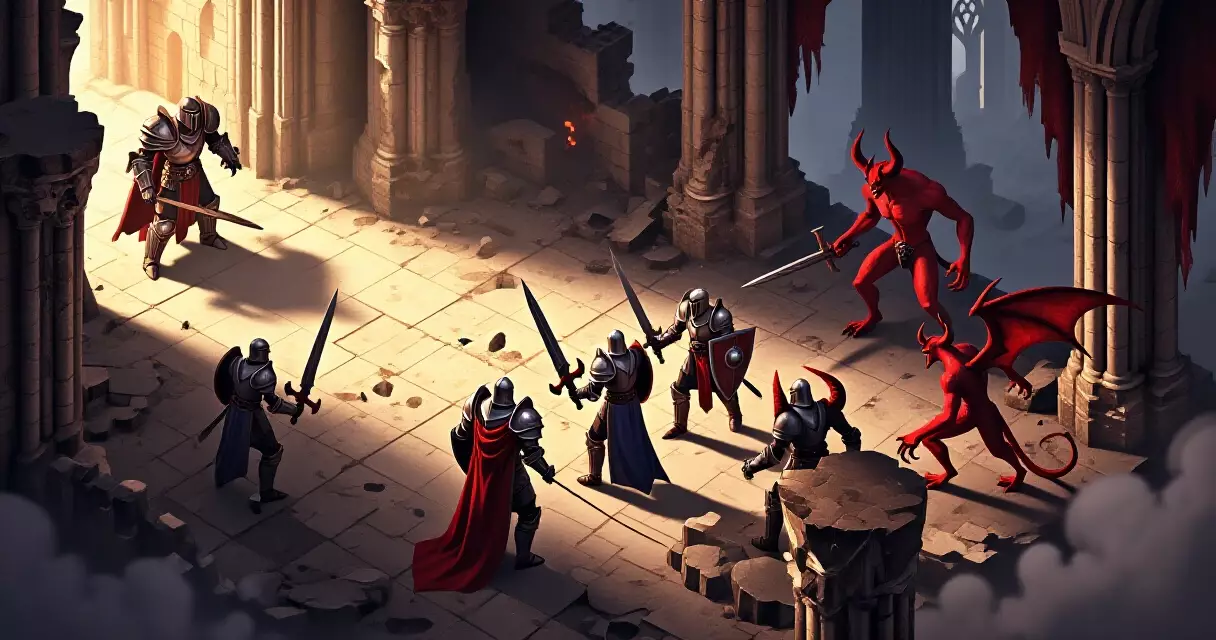
The game defaults to real-time-with-pause combat, which allows you to issue commands while time flows and pause whenever you need to strategize. A turn-based mode added via update in 2021 accommodates players who prefer the deliberate pacing of tabletop-style tactical combat. Both modes are fully supported and neither feels like an afterthought.
The mythic system is where Wrath diverges most sharply from anything in recent CRPG memory. As the story progresses, your character ascends through mythic tiers and eventually selects a mythic path – Angel, Demon, Lich, Azata, Aeon, Trickster, Legend, Gold Dragon, and Devil (via DLC). Each path fundamentally changes not only your power set but how the story reacts to you. Playing a Lich turns companions and NPCs against you; playing an Angel opens entirely different dialogue trees and quest resolutions. This is CRPG roleplay at its most ambitious.
The mythic path system does not just change your numbers – it rewrites the story around you, making a second playthrough feel like an entirely different game.
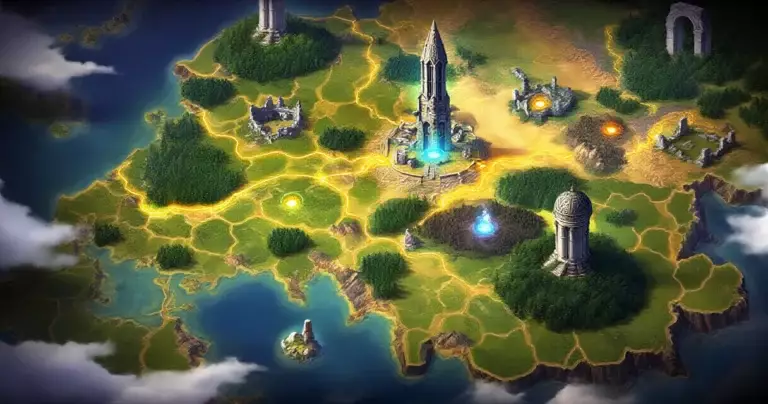
The crusade management layer adds another dimension. Between dungeon crawls and story beats, you command armies, recruit generals, construct buildings, and conquer territory on a strategic map. It is more involved than most players expect and, in the base release, was criticized for being unbalanced. Patches and the Enhanced Edition significantly improved the system, though it can still feel like a detour from the parts that are most fun.
Story, Writing, and World-Building
The narrative centers on the Worldwound – a century-old demonic rift that has consumed the northern nation of Mendev. You play the Commander, a figure who survives a catastrophic attack on the city of Kenabres and discovers they have been infused with mythic power. What follows is a five-chapter crusade that escalates from local survival to planar warfare. The writing, by a team led by creative director Alexander Mishulin, is consistently excellent, especially in the companion storylines.
Companions like Camellia, a half-elf vigilante with a deeply unsettling secret, or Daeran, a narcissistic oracle who hides genuine vulnerability, are written with the kind of moral complexity that good RPG writing demands. The game does not shy away from darkness – some companion quests deal with abuse, addiction, and violence in ways that are frank without being gratuitous. Decisions carry weight, and the mythic path affects how nearly every major story beat resolves.
The voiced dialogue is extensive. Over 1,200 NPCs are voiced, and the main character has a fully voiced option added in the Enhanced Edition. Voice quality varies – some performances are exceptional, others are clearly recorded under budget constraints – but the sheer volume of written content is remarkable. Players routinely report finding significant story content in their third or fourth playthroughs that they missed entirely in earlier runs.
Game Specs, Editions, and Technical Details
Below is a reference table covering the key specifications and edition details for Pathfinder: Wrath of the Righteous across its available platforms as of mid-2026.
| Detail | Information |
|---|---|
| Developer | Owlcat Games |
| Publisher | Meta Publishing |
| Initial Release | September 2, 2021 (PC) |
| Enhanced Edition | December 2, 2022 (PC + Consoles) |
| Platforms | PC (Windows/macOS), PS4, PS5, Xbox One, Xbox Series X/S, Nintendo Switch |
| Genre | CRPG / Isometric RPG |
| Rule System | Pathfinder 1e (d20 tabletop rules) |
| Metacritic (PC) | 84/100 |
| Steam Rating | Very Positive (90%+) |
| Base Game Price | ~$39.99 USD |
| Mythic Paths | 9 (Angel, Demon, Lich, Azata, Aeon, Trickster, Legend, Gold Dragon, Devil) |
| DLC Count | 6 DLC packs (included in Enhanced Edition) |
| Minimum VRAM (PC) | 2 GB |
| Estimated Playtime | 80–150+ hours |
The PC version runs on Unity and can be demanding on mid-range hardware in late-game areas with large spell effects. The console ports, handled after the Enhanced Edition’s release, are functional but have historically suffered from longer load times and occasional frame-rate drops in combat-heavy scenes. The PC version with SSD storage is the recommended platform for the best experience.
Pros and Cons
No review of Wrath of the Righteous would be honest without acknowledging both sides of what the game offers. The table below summarizes the main strengths and weaknesses based on critical consensus and long-term player feedback.
| Pros | Cons |
|---|---|
| Extraordinarily deep character building with 25+ classes | Steep learning curve that can alienate newcomers |
| Nine mythic paths that each meaningfully change the story | Crusade management layer feels disconnected from the main game |
| 100+ hours of content with very high replay value | Some performance issues on console ports |
| Excellent companion writing and morally complex storylines | Voice acting quality is uneven in secondary roles |
| Both real-time-with-pause and turn-based modes supported | Early-game difficulty spikes on default settings can be discouraging |
| Robust modding community on PC (Nexus Mods) | UI can feel cluttered managing late-game spell lists |
| Frequent patches have addressed most launch bugs | Console version lacks the full mod ecosystem |
How It Compares to Other CRPGs
The CRPG market has grown significantly since Wrath of the Righteous launched. Comparing it against the genre’s other leading titles helps establish where it fits in a crowded field. For a broader look at how these games stack up in the full genre, the best RPG games for PC roundup covers the wider landscape.
Baldur’s Gate 3 (Larian Studios, 2023) is the most obvious comparison. BG3 uses D&D 5e rules, which are dramatically simpler than Pathfinder 1e, and delivers a more accessible and graphically superior experience. Its production budget was substantially higher. Wrath of the Righteous counters with more mechanical depth, a longer narrative, and mythic progression that BG3 simply does not attempt. Players who found Baldur’s Gate 3 too streamlined will find Wrath satisfying.
Divinity: Original Sin 2 (Larian Studios, 2017) remains a benchmark for tactical CRPG combat. Its elemental combo system is more intuitive than Pathfinder 1e, and co-op support gives it an edge for players who want to share the experience. Wrath beats it on story scale and roleplay reactivity.
Pillars of Eternity II: Deadfire (Obsidian Entertainment, 2018) and Tyranny (Obsidian, 2016) both offer deep writing and custom rule systems. Neither achieves the mythic system’s ambition in terms of making the player feel genuinely godlike within the story. For players interested in long single-player RPG experiences, Wrath competes at or above these titles in raw content volume.
If Baldur’s Gate 3 is the CRPG that won over a new generation, Pathfinder: Wrath of the Righteous is the one that never stopped caring about the veterans who were always there.
Pricing, Editions, and DLC
The base game retails at approximately $39.99 USD on Steam and GOG. The Enhanced Edition, which includes all six DLC packs, typically sells for $59.99 USD and is the recommended purchase for new players. The DLC adds content including the Devil mythic path, new companion quests, and the Through the Ashes story DLC that serves as a prologue. During seasonal Steam sales, the Enhanced Edition frequently discounts to $15–$20 USD, making it an exceptional value proposition.
On console, the Enhanced Edition is the only version available. Nintendo Switch owners should note the port was developed by Saber Interactive and carries some frame-rate compromises in combat-heavy scenes, though it remains playable. The game is not available on Game Pass or PlayStation Plus as of mid-2026, so a direct purchase is required on those platforms.
Who Should Play Pathfinder: Wrath of the Righteous?
Wrath of the Righteous is not for everyone, and that is a feature, not a bug. If you enjoyed the Baldur’s Gate series, Neverwinter Nights 2, or Pathfinder: Kingmaker, you will find an immediate home here. Fans of tabletop Pathfinder or D&D 3.5 will appreciate how accurately the video game represents the source material – something even the best pen-and-paper adaptations sometimes miss.
Players newer to the genre who want to get into RPG games for the first time should start elsewhere – Baldur’s Gate 3 or Divinity: Original Sin 2 serve as more accessible entry points. But if you have already played those games and want something that goes harder on depth, Wrath is the next logical step. The game includes a Story mode that significantly reduces combat difficulty, making the narrative accessible to players who are more interested in the roleplay than the tactics.
For players who track the biggest upcoming RPG releases, it is worth noting that Owlcat’s follow-up, Rogue Trader (2023), confirmed the studio’s ongoing commitment to deep, rules-faithful CRPGs. That game’s commercial success further validated the market for this style of title.
Our Verdict
Pathfinder: Wrath of the Righteous earns a 9/10. It is not the most accessible game in its genre, and the crusade system remains its weakest pillar. But for the audience it is made for – players who want a CRPG that takes its rule set seriously, tells a story worth 100+ hours of investment, and gives every mythic path decision real narrative consequences – it is close to a perfect expression of what the form can achieve. The Enhanced Edition resolves most of the launch-day rough edges, and the modding community on PC has further extended its life.
Compared to the broader landscape covered in our 50 best RPG games of all time list, Wrath of the Righteous ranks among the top tier of CRPGs released in the 2020s. It sits alongside Baldur’s Gate 3 and Divinity: Original Sin 2 as the leading reference points for what the subgenre can deliver – and it exceeds both in sheer mechanical depth.
Frequently Asked Questions
Is Pathfinder: Wrath of the Righteous better than Pathfinder: Kingmaker?
By most objective measures, yes. Wrath of the Righteous launched in a more polished state than Kingmaker, removed the controversial timed survival mechanics that frustrated many players in the earlier game, and expanded the scope of the story considerably. The mythic system adds a dimension of character progression that Kingmaker simply does not have. The kingdom management system in Kingmaker has its defenders, and some players prefer its more grounded story, but the critical consensus and long-term community sentiment strongly favor Wrath as the superior title. Players new to Owlcat’s work are generally advised to start with Wrath rather than playing chronologically.
How long does it take to finish Wrath of the Righteous?
According to HowLongToBeat data from 2024, the main story alone takes approximately 60–70 hours for focused players. Adding major side quests and companion storylines brings that figure to 90–110 hours. Completionists aiming for every discoverable quest, all mythic path content, and optional dungeon areas should budget 130–150 hours or more. The game’s enormous breadth is one of its primary selling points, but it is worth understanding before purchasing. This is a game for a long-haul commitment, not a weekend session – making it one of the standout entries in the 100+ hour single-player RPG category.
Which mythic path is best for a first playthrough?
Angel is widely recommended for first-time players. It is the most narratively coherent path for the crusade context, provides strong healing and support abilities that complement any party composition, and avoids the deliberately disruptive consequences of paths like Lich or Demon that can alienate companions and close off certain quests. Azata is a close second for players who want a more whimsical, chaotic good experience. Trickster is frequently cited as the most entertaining path for veteran replays due to its subversive writing and fourth-wall-breaking humor. The Legend path, which forgoes mythic powers entirely and instead gains extra class levels, is for players who want to challenge themselves with pure mechanical optimization.
Is Pathfinder: Wrath of the Righteous good on console?
The console ports are functional and allow players on PlayStation and Xbox to access the full game, but they carry trade-offs. The interface was adapted for controller use, and navigating deep spell lists or large inventories is more cumbersome than with a mouse and keyboard. Load times are longer on base PS4 and Xbox One compared to PC. The Nintendo Switch port has the most significant performance compromises, with occasional frame drops during large spell effects. PlayStation 5 and Xbox Series X/S offer the best console experience. The PC version with keyboard and mouse remains the optimal way to play due to UI efficiency and access to the robust Nexus Mods ecosystem.
How does Wrath of the Righteous compare to Baldur’s Gate 3?
Baldur’s Gate 3 has higher production values, a more accessible rule set based on D&D 5e, and co-op multiplayer support. It is a more approachable game for a wider audience. Pathfinder: Wrath of the Righteous has a deeper mechanical system based on Pathfinder 1e, a longer main narrative, the mythic path system that fundamentally changes the story, and a broader range of character archetypes. Players who found BG3’s character building shallow or its story too short will likely prefer Wrath. Players who want a cinematic, visually striking CRPG they can share with friends should choose BG3. Both games are excellent and serve different points on the accessibility-to-depth spectrum.
Do you need to know the Pathfinder tabletop game to enjoy it?
No prior tabletop experience is required, but it helps. The game includes extensive tooltips and an in-game encyclopedia that explains its rules in reasonable detail. Players willing to spend time reading those explanations can learn the system from scratch within the game itself. That said, the learning curve is genuinely steep. Many players report spending 10–15 hours before they feel confident about their character build choices. Third-party resources like the Pathfinder: Kingmaker subreddit and community wikis are actively maintained and serve as excellent supplemental learning tools. Players who persevere through the initial complexity overwhelmingly report that the investment pays off.
Is the Enhanced Edition worth buying over the base game?
Yes, unambiguously. The Enhanced Edition includes all six post-launch DLC packs, adds a fully voiced main character option that substantially improves the roleplay experience, introduces the Gold Dragon and Devil mythic paths, and bundles the Through the Ashes story DLC. Owlcat also incorporated numerous balance and quality-of-life improvements that are exclusive to the Enhanced Edition build on PC. The price difference versus buying the base game and DLC separately is favorable toward the Enhanced Edition, especially during sales. On console, the Enhanced Edition is the only available version, so there is no decision to make there.
What class should beginners pick?
For players new to Pathfinder 1e mechanics, the Fighter, Cleric, and Sorcerer are the most straightforward starting classes. Fighter offers consistent melee damage without complex ability management. Cleric provides healing, buffing, and decent combat ability, which makes party management more forgiving early on. Sorcerer allows access to powerful spells without the preparation mechanics that Wizard requires. The game also includes a pre-built character option called Playful Darkness that provides a ready-made character if the creation process is too overwhelming initially. For more context on how RPG stat and class systems work generally, the linked guide provides a solid foundation before diving into character creation.
Related Reading
- RPG Games Master Guide: Best Titles, Subgenres & How to Start
- 50 Best RPG Games of All Time, Ranked by Players and Critics
- Best Multiplayer RPG Games Online: MMORPGs, Co-op & Party RPGs
- Best RPG Games for PC in 2025: Top Picks Across Every Subgenre
- Best Single-Player RPG Games That Deliver 100+ Hours of Story
- Every Type of RPG Game Explained: JRPG vs CRPG vs Action RPG
- How to Get Into RPG Games: A Beginner's Roadmap for 2025
- RPG Game Mechanics Explained: Stats, Leveling, Loot, and Combat
- RPG Games vs Action Games: Key Differences, Hybrids & Which to Play
- RPG Games With the Best Stories Ever Written, According to Fans
- Upcoming RPG Games in 2025 and 2026: Every Major Release on the Radar
- Baldur's Gate 3 Review: Is It the Greatest RPG Ever Made?
- Divinity: Original Sin 2 Review — The Benchmark for Modern CRPGs
- Dragon Age: The Veilguard Review — Does BioWare Recapture Its RPG Crown?
- Elden Ring Review: How FromSoftware Redefined the Action RPG Genre
- Final Fantasy XVI Review: A Bold Action-RPG Departure
- Persona 5 Royal Review: Why This JRPG Is a Once-in-a-Generation Game
- The Witcher 3: Wild Hunt Review — Still Gold Standard in 2025?
Sources
- Metacritic – Pathfinder: Wrath of the Righteous PC score and critic reviews: https://www.metacritic.com/game/pathfinder-wrath-of-the-righteous/
- Kickstarter – Pathfinder: Wrath of the Righteous campaign page and funding results: https://www.kickstarter.com/projects/owlcatgames/pathfinder-wrath-of-the-righteous
- HowLongToBeat – Pathfinder: Wrath of the Righteous playtime data: https://howlongtobeat.com/game/72246
- Paizo – Official Wrath of the Righteous Adventure Path: https://paizo.com/pathfinder/adventurePath/wrathOfTheRighteous
- Wikipedia – Pathfinder: Wrath of the Righteous article: https://en.wikipedia.org/wiki/Pathfinder:_Wrath_of_the_Righteous
- Reddit – r/Pathfinder_Kingmaker community resource: https://www.reddit.com/r/Pathfinder_Kingmaker/
Gaming Laptop Buyer’s Guide: Performance, Portability & Best Models