Summary
Steam processes purchases for well over 130 million monthly active users (Wikipedia / Valve, 2023), making it the dominant marketplace for PC games by a significant margin. For indie developers, that reach is both the opportunity and the problem: tens...
Table of contents
- 1 From Steam Greenlight to Steam Direct: A Brief History
- 2 Step 1: Setting Up Steam Direct and Your Steamworks Account
- 3 Step 2: Building a Steam Store Page That Converts
- 4 Step 3: Pricing Strategy and the Steam Revenue Split
- 5 Building Your Wishlist: The Pre-Launch Work That Decides Your Launch
- 6 Steam Events: Next Fest, Seasonal Sales, and Genre Festivals
- 7 Launch Day Strategy: Timing, Build Readiness, and First-Week Visibility
- 8 Post-Launch: Reviews, Updates, and Long-Term Revenue
- 9 Frequently Asked Questions
- 9.1 How much does it cost to publish a game on Steam?
- 9.2 How long does the Steam review and approval process take?
- 9.3 What percentage does Steam take from indie game sales?
- 9.4 Can I sell my game on Steam and other stores simultaneously?
- 9.5 What is Steam Early Access and should I use it?
- 9.6 How do I get my game into Steam Next Fest?
- 9.7 How many copies does the average indie game sell on Steam?
- 9.8 What makes a strong Steam capsule image?
- 10 Related Reading
- 11 Sources
Steam processes purchases for well over 130 million monthly active users (Wikipedia / Valve, 2023), making it the dominant marketplace for PC games by a significant margin. For indie developers, that reach is both the opportunity and the problem: tens of thousands of titles launch every year, and without a clear strategy, even a polished game can disappear within days of release. The $100 Steam Direct fee is the easy part. What follows – building a store page, cultivating a wishlist audience, picking the right launch window, and sustaining momentum after day one – is where most indie developers either break through or stall out.
From Steam Greenlight to Steam Direct: A Brief History
Steam launched in September 2003 as a digital distribution platform for Valve’s own titles. Third-party games were handled by Valve’s internal curation team, meaning only a fraction of submitted projects ever reached players. In 2012, Valve launched Steam Greenlight – a community-voting system where players decided which games deserved a store listing. Greenlight broadened access but created its own bottleneck: games sat in voting queues for months, and approval remained unpredictable.
In June 2017, Valve replaced Greenlight with Steam Direct (Wikipedia). Instead of community votes, developers pay a flat $100 recoupable fee per game and submit directly through the Steamworks partner portal. The number of games launching on Steam surged immediately – around 14,000 or more titles have released in some recent calendar years. That volume is a double-edged outcome: the barrier to entry dropped sharply, but so did the automatic visibility any single title received.
This history matters because it shapes everything about how Steam’s algorithm and discovery systems function today. Valve built its current discoverability tools – wishlist notifications, recommendation queues, tag-based browsing – specifically to help players filter through a much larger catalog. Understanding those tools is the core of any successful Steam publishing plan.
Step 1: Setting Up Steam Direct and Your Steamworks Account
The publishing process starts at the Steamworks partner portal (partner.steampowered.com). You need a Steam account in good standing, then complete Valve’s identity verification and tax documentation before submitting a game. The steps involved are:
- Company or individual registration: Valve accepts sole proprietors and incorporated studios alike. You provide tax information – a W-9 for US developers, a W-8BEN for international developers.
- Bank details: Revenue is paid via ACH (US) or international wire, so a business or personal bank account must be linked to the portal before you can receive payouts.
- The $100 Steam Direct fee: Paid per app – each game, DLC, or software tool counts separately. Valve credits the fee back once a title earns $1,000 in net revenue, making it effectively a deposit rather than a permanent cost for games that find an audience.
- App ID creation: After paying the fee, you receive an App ID. This ID anchors your store page, your depot (the build files players download), and all backend analytics.
The review period after submitting your final build and store assets typically runs 3–5 business days for first-time submissions, though Valve can take longer during peak periods around major sale events. Finalize all assets – trailer, screenshots, store description, content survey answers – at least two weeks before your intended launch date to leave room for revision requests.
If you’re still figuring out whether Steam is the right first platform, our overview of how to make an indie game from the ground up covers platform decision-making alongside the fundamentals of development.
Step 2: Building a Steam Store Page That Converts
Your store page is your pitch to every player who lands on it – and it’s the primary input Steam’s algorithm uses to decide which users to recommend your game to. Every asset carries weight.
| Store Page Element | Why It Matters | Minimum Recommended Spec |
|---|---|---|
| Capsule art (main) | Appears in search results, recommendation carousels, and the Steam storefront header | 616 × 353 px; title legible at small sizes |
| Capsule art (small) | Used in “New Releases” and “Top Sellers” rows | 231 × 87 px; bold visuals, no thin text |
| Game trailer | Autoplays in store header; highest-impact conversion asset on the page | 60–90 sec; gameplay-first within first 15 sec |
| Screenshots | Displayed before the trailer; viewed heavily on the mobile Steam app | Minimum 5; actual in-game content, not menus |
| Short description | Appears in search snippets and hover cards across the store | Up to 300 characters; one-sentence hook on core appeal |
| Long description | Full storefront detail, rendered with basic HTML | 500–1,500 words; features, story, key selling points |
| Steam tags | Primary discovery mechanism; drives recommendation queue placement | All relevant tags up to 20; prioritize genre first |
| Content survey | Required by Valve; determines age gating and content warnings | Answer honestly; inaccurate surveys risk removal |
The trailer deserves special attention. Players who watch a trailer convert to purchases at dramatically higher rates than those who only read the description. Show gameplay within the first ten seconds – not a logo animation, not a cinematic cutscene. Data from Valve’s GDC presentations consistently confirms that gameplay-first trailers outperform atmospheric openers on Steam specifically.
Tags are initially set by the developer but can be adjusted by the community afterward. Apply every accurate tag that describes your game. A 2D pixel art roguelite might use: Roguelite, Indie, Action, Pixel Graphics, Procedural Generation, Dark, Difficult, Singleplayer – and more. Tagging aspirationally – calling your game “Open World” when it isn’t – generates negative reviews from players who feel misled, which damages your conversion rate far more than any discoverability gain.
Step 3: Pricing Strategy and the Steam Revenue Split
Pricing is one of the highest-use decisions you will make before launch. Steam’s player base is price-sensitive – especially below $20 – and review scores are directly tied to perceived value. A $25 two-hour game will receive harsher reviews than a $10 game with the same playtime, regardless of quality.
| Lifetime Net Revenue Tier | Steam’s Cut | Developer Keeps |
|---|---|---|
| $0 – $10 million | 30% | 70% |
| $10 million – $50 million | 25% | 75% |
| Above $50 million | 20% | 80% |
Valve introduced these tiered rates in November 2018. For most indie developers, the 30/70 split on the first $10 million applies throughout the entire commercial life of a game. Steam provides the storefront infrastructure, payment processing, cloud saves, anti-cheat integration, and the discovery layer, so the 30% reflects a real cost-to-serve rather than a pure platform fee.
Getting onto Steam is a $100 problem. Getting found on Steam is a marketing problem that starts months before launch day.
Regional pricing is something many first-time developers overlook. Steam lets you set custom prices for each regional tier, or apply Valve’s automatic conversion suggestions. Enabling proper regional pricing – typically at a meaningful discount to US and EUR prices for markets like Brazil, Turkey, and Southeast Asia – generates revenue from players who would never convert at full USD pricing. Valve’s current regional multiplier recommendations are documented in the Steamworks pricing guidelines.
A launch discount of 10–15% is a widely used tactic to appear in Steam’s “Special Offers” section, giving new releases a secondary discovery path alongside the “New Releases” list. Avoid setting your launch discount above 15–20%: heavily discounted launches anchor player price expectations downward for the entire commercial life of the game.
For a fuller picture of the financial side before you reach the pricing stage, our guide on how much it costs to make an indie game breaks down typical budgets by scope and team size.
Building Your Wishlist: The Pre-Launch Work That Decides Your Launch
Every developer who has shipped a successful Steam game will say the same thing: the wishlist count on launch day determines your early visibility window. When a game releases, Steam sends a notification email to everyone who wishlisted it. The resulting burst of purchases in the first 24–48 hours signals to Steam’s algorithm that genuine demand exists, which earns the game more prominent placement in the “New and Trending” section. Without that burst, the algorithm has no signal to amplify.
The tactics that reliably build wishlists before launch:
- Steam Coming Soon page: Set up your store page in “Coming Soon” mode as early as possible – most developers go live 6–12 months before their planned release date. Players who find you can wishlist immediately.
- Content creators and streamers: A single gameplay video from a mid-tier YouTube channel (50,000–200,000 subscribers in your genre) can drive thousands of wishlists in a weekend. Curated pitches to relevant creators outperform mass outreach every time.
- Short-form video: TikTok and Instagram Reels gameplay clips regularly go viral in gaming communities. The “how I made this game” dev-log format has driven substantial wishlist surges for solo developers with no prior audience.
- Game festivals: PAX Online, Indie MEGABOOTH, and similar showcases put your game in front of engaged audiences. Many are free or low-cost for indie developers.
- Press coverage: Gaming media like Rock Paper Shotgun, PC Gamer, Kotaku, and IGN still drive meaningful traffic. A well-timed press release with a playable review build attached is worth the preparation time.
For a full breakdown of pre-launch marketing tactics, the indie game marketing playbook covers everything from building a press list to running a dedicated email newsletter for your game.
Steam Events: Next Fest, Seasonal Sales, and Genre Festivals
Steam’s promotional calendar is a resource many new developers don’t use to its full potential. Valve runs several types of events throughout the year, each offering indie games real discovery boosts without requiring advertising spend.
Steam Next Fest is the highest-value event for pre-launch games. It runs roughly every two months and gives participating unreleased games a chance to publish a playable demo directly on Steam, featured in a dedicated festival browsing page. Developers who participate with a strong demo have reported thousands of wishlist additions over the event’s week-long window. Each game can participate in only one Next Fest – so timing matters. Most developers target the Next Fest closest to their planned launch date to minimize the gap between player interest and the ability to purchase.
Seasonal sales (Spring Sale, Summer Sale, Autumn Sale, Winter Sale) drive enormous platform traffic. Games participating with a discount get additional placement in sale-specific browsing pages. For newly launched games, the first major Steam sale after release is often the second-largest revenue day in the game’s history – sometimes larger than launch day itself, depending on the discount depth and review score accumulated by that point.
Genre-themed festivals (RPG Fest, Survival Fest, and others) appear throughout the year and offer additional spotlight opportunities. Some are curated by Valve; others are community-organized. Check the Steamworks dashboard announcements section regularly to find upcoming events your game qualifies for.
Launch Day Strategy: Timing, Build Readiness, and First-Week Visibility
When you launch matters nearly as much as how you launch. The worst timing choices: releasing the same week as a major AAA game in your genre, launching mid-sale when your new release discount competes with everything else on the platform, and submitting your final build too late to leave time for a day-one patch if launch-day issues emerge.
Standard wisdom for indie releases points to a Tuesday or Wednesday launch, mid-morning US Eastern Time. This gives press, streamers, and early buyers the full week to generate coverage and reviews before the weekend audience arrives. Weekends are when casual players browse Steam, and you want a solid review average established by Friday.
Before going live, verify your build using Steam’s testing tools. Use the beta branch system to run a small group of testers – friends, press contacts, or a closed beta community – through the final build across different system configurations. Platform compatibility problems discovered after launch – particularly on Linux via Proton and on Steam Deck – generate negative reviews that are hard to recover from.
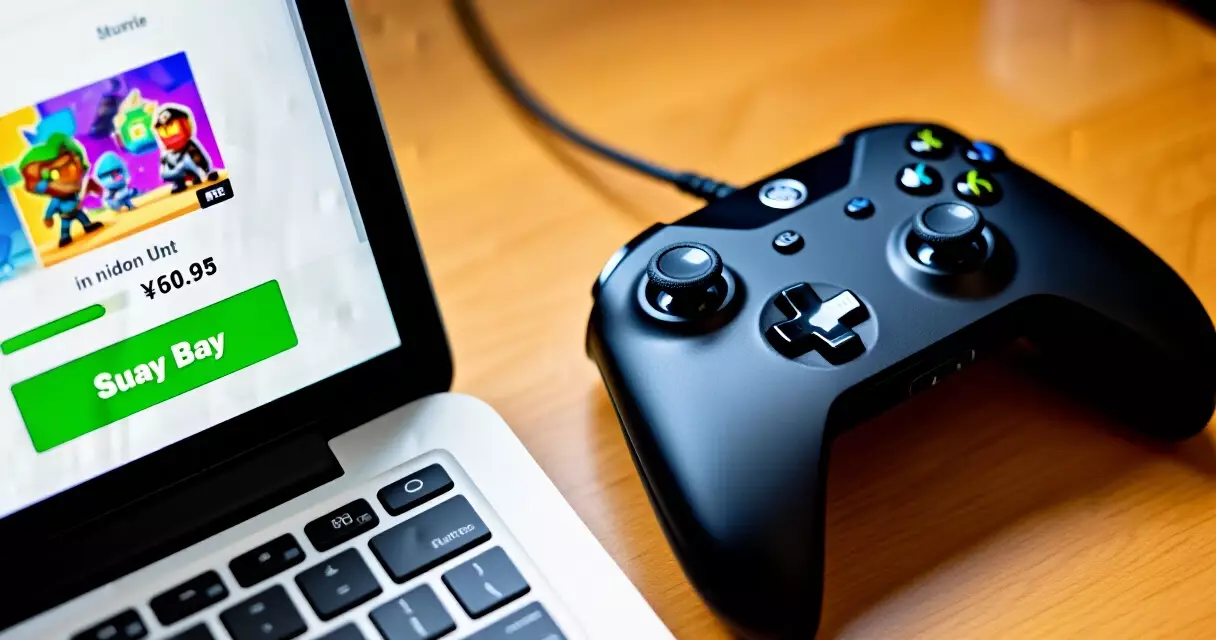
Steam Deck compatibility is worth pursuing before launch if your controls and UI translate reasonably to a gamepad and a 7-inch screen. Valve highlights Steam Deck Verified and Playable titles in the Deck’s own storefront, adding a secondary discovery channel. Certification is handled through Steamworks and requires testing on actual Deck hardware or the Deck compatibility emulator included in Valve’s developer tools.
Planning a simultaneous console release? Our piece on indie game development timelines covers how to sequence PC and console certification in parallel without repeatedly pushing your release date.
Post-Launch: Reviews, Updates, and Long-Term Revenue
Steam reviews are the closest thing to a conversion-rate lever that you can influence after release. A “Very Positive” score (80% positive or above) lifts purchase rates measurably compared to a “Mixed” score (40–69% positive). Most players who enjoy a game never review it unless prompted, so active encouragement matters.
Steam includes an in-game overlay API call that pops a native review prompt. Triggering it at a natural moment – after completing a level, defeating a boss, or crossing a playtime milestone – outperforms end-of-session prompts. Never ask specifically for positive reviews; Steam’s terms prohibit it, and players notice the manipulation.
A negative review responded to promptly and professionally often does more for your store page reputation than the negative review itself takes away.
Respond to every negative review in the first two weeks using the developer response feature in Steamworks. Don’t argue with the player – acknowledge the issue, explain what you’re doing about it (or why it’s an intentional design choice), and thank them for the feedback. These responses are public and visible to every prospective buyer who reads reviews before purchasing.
Content updates keep your game relevant in Steam’s algorithm. Each time you push a major update and post an announcement to your game’s Steam news feed, Valve can surface that update in players’ “What’s New” section. Players who haven’t launched the game in months re-engage, accumulate more hours, and sometimes leave new reviews. Posting roadmap updates on the store page and in the community hub builds ongoing goodwill with your player base.
Steam Early Access is worth considering as an alternative structure. Selling an unfinished game at a reduced price – with an explicit store page disclosure – provides early revenue, a community of invested testers, and a second major visibility event when you move to the full 1.0 release. The risk: if development stalls or the Early Access window runs far longer than communicated, community frustration builds into negative reviews and “Abandoned” tags that are very difficult to recover from. Set a realistic timeline before committing.
For developers looking at additional revenue streams to sustain development after a Steam launch, our guide to funding indie games through crowdfunding, grants, and publishers covers the full landscape of options beyond platform sales.
Frequently Asked Questions
How much does it cost to publish a game on Steam?
The core cost is the Steam Direct fee of $100 per app. Each separate product – base game, DLC, soundtrack – requires its own $100 payment. The fee is recoupable: once a title earns $1,000 in net revenue, Valve credits the $100 back to your Steamworks account, usable toward future submissions. Beyond the direct fee, budget for store asset production – trailer editing, capsule art, screenshots. There are no monthly hosting fees or ongoing listing costs after the initial $100 payment per product.
How long does the Steam review and approval process take?
After submitting your completed store page and final build, Valve’s review typically takes 3–5 business days for standard submissions. First-time accounts sometimes experience longer timelines as Valve verifies identity and payment details. During peak periods – the weeks immediately before major Steam sales – reviews can extend further. Build in at least two full weeks between your final asset submission and your planned launch date. If Valve requests changes to your content or store assets, the review clock resets, so check the content survey and store page guidelines carefully before your first submission.
What percentage does Steam take from indie game sales?
Steam’s standard split is 30% to Valve, 70% to the developer, applied to all revenue up to $10 million in lifetime net sales for that specific game. Above $10 million the split becomes 25% Steam / 75% developer. Above $50 million it shifts to 20% / 80%. These tiers apply per game, not per developer account, and reset for each new title you publish. For the large majority of indie games that never reach $10 million in total sales, the 30/70 split applies for the entire commercial life of the product.
Can I sell my game on Steam and other stores simultaneously?
Yes – Steam has no exclusivity requirements for indie developers. You can simultaneously list on itch.io, GOG, Epic Games Store, Humble Store, or your own website without violating any Steam terms. Each platform has its own revenue split and audience profile. Many developers use itch.io for direct sales (where you set the platform’s cut) and Steam for the majority of their PC volume, given Steam’s significantly larger install base. Console releases on Nintendo, PlayStation, and Xbox require entirely separate submission processes through those respective platform holders.
What is Steam Early Access and should I use it?
Steam Early Access lets developers sell an unfinished game at a reduced price, with an explicit disclosure on the store page that development is ongoing. Players purchase knowing the product is incomplete. Early Access works well for games with strong core loops that are fun even without full content – survival games, city builders, and roguelites are historically strong performers in this model. It works poorly for narrative games where story completeness is the primary appeal. The most important Early Access rule: set a realistic full-release timeline and communicate updates regularly. Projects that go quiet in Early Access accumulate refund requests and community frustration that are very hard to reverse.
How do I get my game into Steam Next Fest?
Steam Next Fest requires your game to be in “Coming Soon” status and to have a playable demo ready. Valve opens registration for each Next Fest several weeks before the event, announced in the Steamworks partner dashboard. Registration happens through the event tool before the deadline – there is no curation gate beyond eligibility criteria. Each game can participate in only one Next Fest, so choose your timing deliberately. Most developers target the Next Fest closest to their planned launch date so that interested players don’t wait long before they can buy. The demo can remain live on your store page after the event ends.
How many copies does the average indie game sell on Steam?
Sales distribution on Steam is heavily skewed. A small percentage of titles capture the majority of total revenue, while most games sell modestly. Developer post-mortems published in outlets like Game Developer (gamedeveloper.com) and data aggregated by SteamSpy have repeatedly shown that the median Steam game earns far less than most developers expect going in – often in the low thousands of dollars over its lifetime. This doesn’t make success rare, but it makes relying on organic discovery alone a losing strategy. Games that invest in pre-launch marketing, build meaningful wishlist counts, and time their launch around Steam events perform measurably better than comparable titles that trust the platform algorithm to surface them without preparation.
What makes a strong Steam capsule image?
Effective capsule art shares consistent traits across genres: a single clear focal point (protagonist, key creature, or a defining visual), title text readable at thumbnail scale, a color palette that pops against Steam’s dark UI, and an art style that signals genre immediately. Avoid busy compositions where too many elements compete. A/B testing different capsule designs via small paid social ads before launch – using click-through rate as a proxy for capsule effectiveness – is a practical validation approach that costs far less than discovering a weak capsule after it goes live. This single asset appears in every search result, browse list, and recommendation carousel on the platform, so the iteration investment pays dividends across the entire commercial window.
Related Reading
- Best Indie Games: Hidden Gems Across All Platforms
- Best Game Engines for Indie Games Compared (2026)
- Common Indie Game Development Mistakes and How to Avoid Them
- How Much Does It Cost to Make an Indie Game?
- How to Fund an Indie Game: Crowdfunding, Grants, Publishers
- How to Make an Indie Game: A Beginner's Roadmap
- How to Market an Indie Game: A Marketing Playbook That Works
- Indie Game Development Timeline: How Long to Ship
- Indie Games vs AAA Games: Key Differences Explained
- The Best Indie Games of All Time, Ranked by Impact
- What Are Indie Games? A Guide to Independent Game Development
- Why Do Indie Games Fail? Causes, Warning Signs, and Fixes
- Celeste Review: A Precision Platformer With Heart
- Hades Review: How Supergiant Perfected the Roguelike
- Hollow Knight Review: Why This Metroidvania Defined a Generation
- Stardew Valley Review: The Solo-Made Farming Sim That Conquered Indie Gaming
Sources
- Wikipedia – Steam (service): Platform history, monthly active user figures, feature overview
- Wikipedia – Steam Direct: Background on the June 2017 transition from Greenlight, fee structure history
- Valve Steamworks Partner Portal: Steam Direct fee, revenue split tiers (Nov 2018), submission requirements, regional pricing guidelines
Gaming Laptop Buyer’s Guide: Performance, Portability & Best Models